
Start With Visible Changes Around Your Home
Dry rot is one of those problems that can look small on the surface but turn into a much bigger repair once the damaged wood is opened up. For homeowners in Windsor, CA, it is especially important to catch dry rot early because many local homes have exterior trim, wood siding, decks, balconies, fascia boards, and window framing that are exposed to years of rain, sun, irrigation overspray, and seasonal moisture.
At Rising Starr Construction, we help homeowners throughout Windsor and Sonoma County identify, repair, and rebuild areas affected by dry rot. As a bonded and insured general contractor, Lic. #1096755, we understand how to properly remove damaged wood, repair the affected area, and address the conditions that caused the problem in the first place.
If you suspect dry rot around your home, do not wait until it spreads.
What Is Dry Rot?
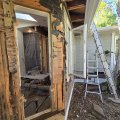
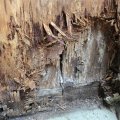
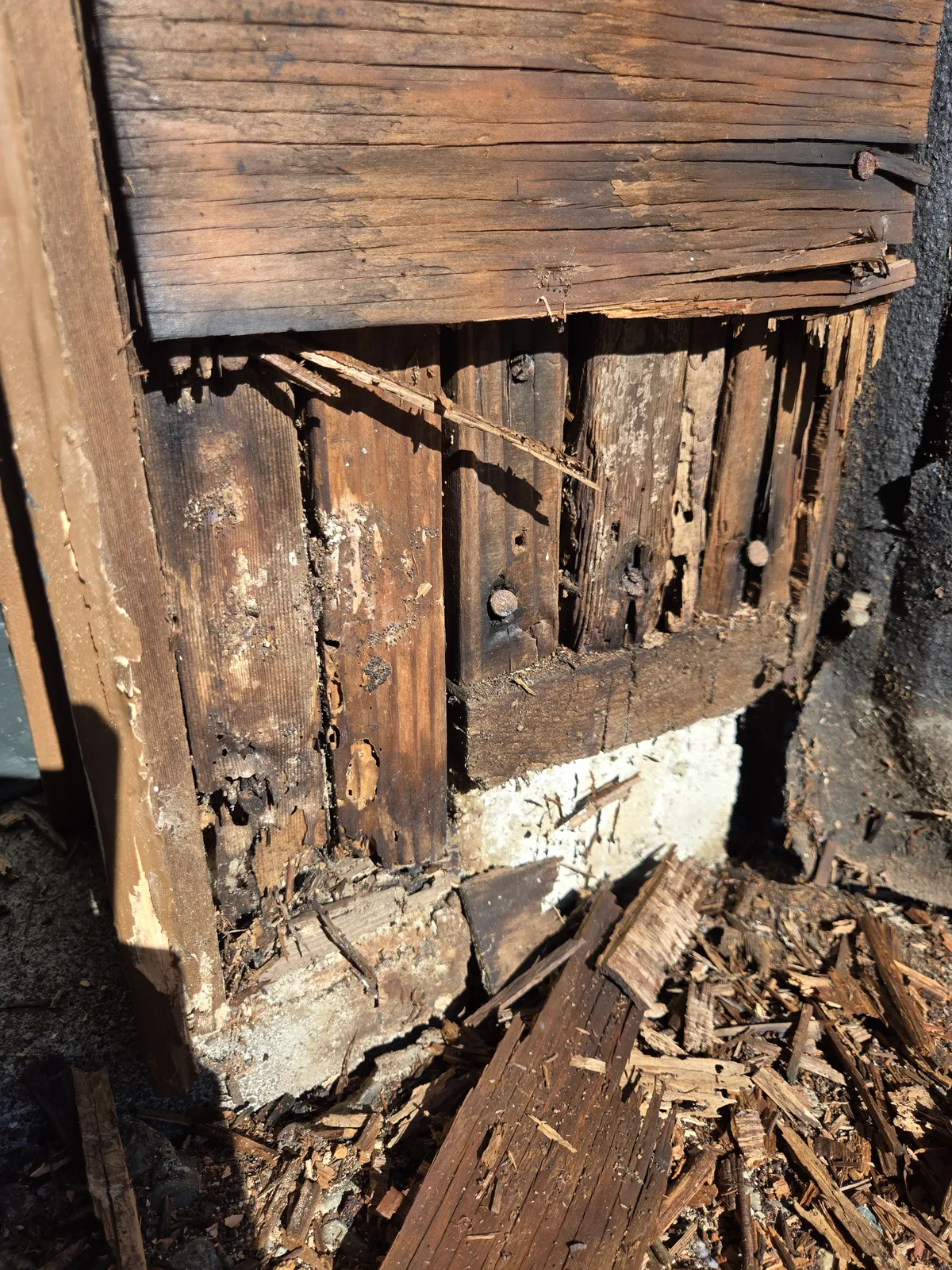
Homeowners commonly use “dry rot” to describe decayed building wood. Fungal decay damages the wood itself; it is different from surface mildew or weathering. Despite the name, wood-decay fungi require moisture. University of California research on decay in California homes explains the relationship between moisture and active fungal decay. Once wood stays damp long enough, decay can begin. Over time, the affected wood can become soft, brittle, crumbly, or hollow.
In Windsor and the surrounding Sonoma County area, dry rot is commonly found in places where water sits, leaks, splashes, or gets trapped. That can include exterior trim, decks, siding, window frames, door frames, roofline details, and framing around bathrooms or kitchens.
Dry rot is not just cosmetic. If ignored, it can spread into deeper framing and create structural problems that cost much more to repair.
Why Dry Rot Is Common In Windsor Homes
Windsor homes deal with a mix of weather and property conditions that can contribute to dry rot. Rainy winters, warm summers, shaded exterior walls, older wood trim, deck exposure, and irrigation systems can all play a role.
Some homes in Windsor also have older exterior details that were built with wood components close to concrete, soil, or landscaping. When those areas do not dry out properly, moisture can sit against the wood and slowly create damage.
Common local causes include:
- Sprinklers hitting siding, trim, fences, or deck framing
- Poor drainage near the home
- Peeling exterior paint or failed caulking
- Leaky windows or doors
- Water sitting on flat wood surfaces
- Deck boards or framing that stay damp
- Roofline leaks near fascia or rafter tails
- Soil or plants touching wood siding or trim
If you are already planning a larger project like home remodeling, deck construction, or window and door replacement, it is smart to inspect for dry rot before the project begins.
The Most Common Signs Of Dry Rot
Dry rot can be easy to miss at first. Many homeowners do not notice it until paint starts bubbling, trim starts cracking, or a contractor discovers hidden damage during another repair.
Here are the biggest warning signs to look for.
1. Soft Or Spongy Wood
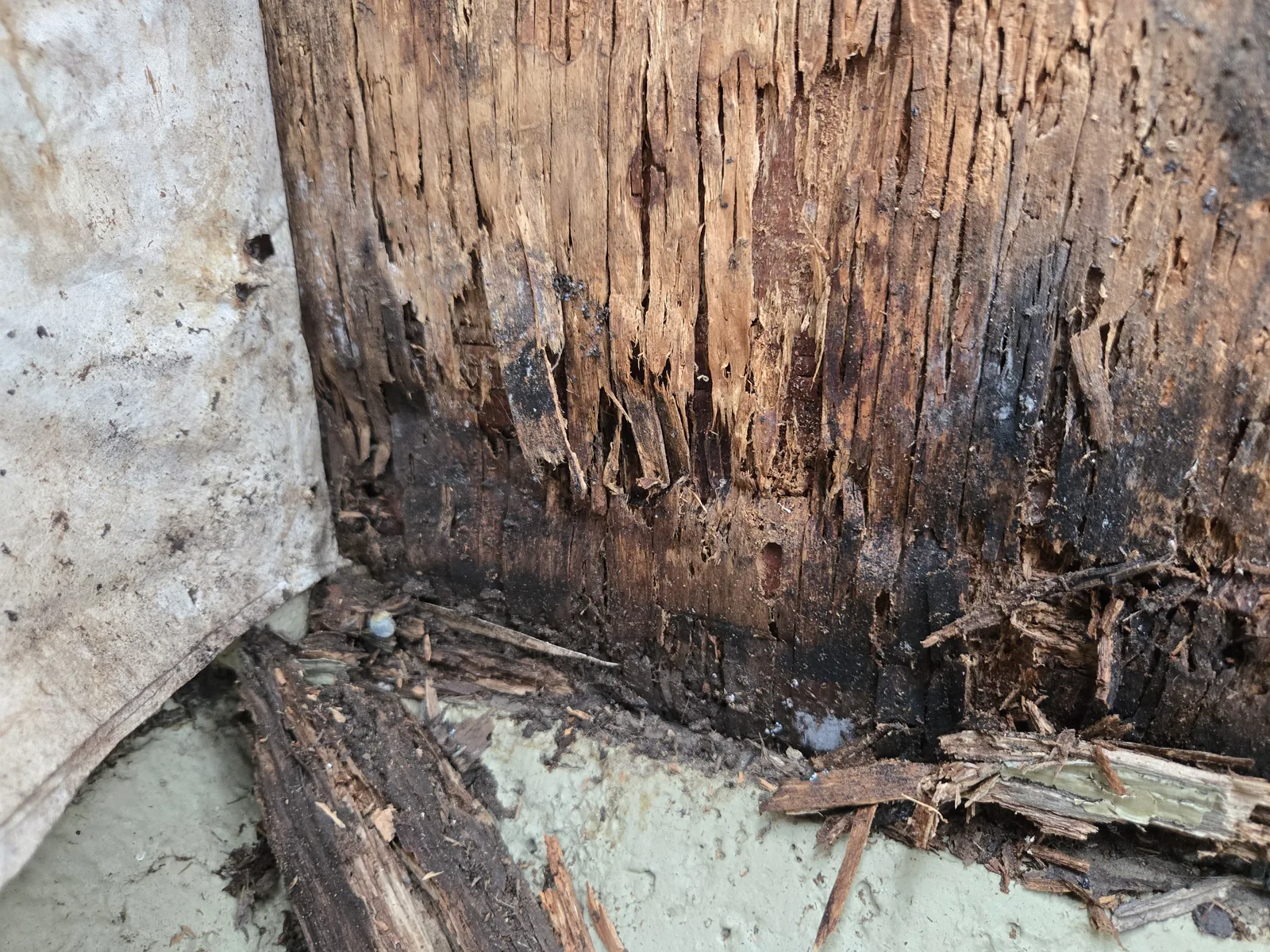
One of the clearest signs of dry rot is wood that feels soft, spongy, or weak when pressed. You may notice this around window trim, door trim, deck boards, fascia boards, or siding.
A quick visual inspection is not always enough. Sometimes the paint still looks mostly intact, but the wood underneath has already started to decay. If wood has visibly deteriorated or gives way during normal use, arrange a closer assessment. Avoid probing structural members or opening finishes yourself.
2. Cracked, Bubbling, Or Peeling Paint
Paint protects exterior wood from moisture. When paint starts cracking, bubbling, or peeling, water can get behind it and soak into the wood.
In Windsor, this often happens on sun-exposed trim, shaded sides of the home, older fascia boards, and areas near sprinklers. Once water gets behind the paint, the damage can spread even if the surface still looks mostly normal.
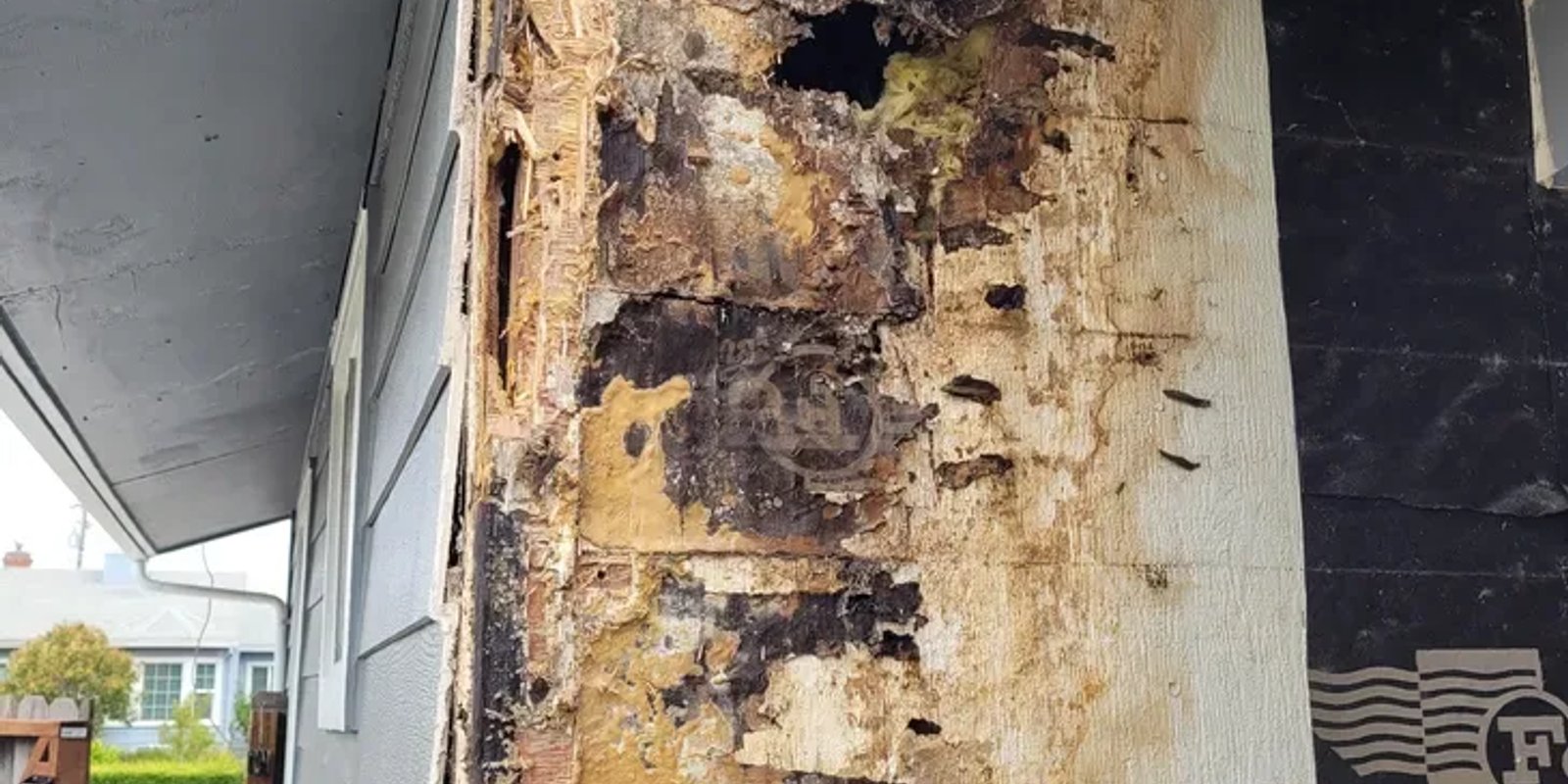
If you see peeling paint with dark, soft, or crumbly wood underneath, that is a major dry rot warning sign.
3. Wood That Crumbles Or Breaks Apart
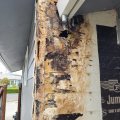
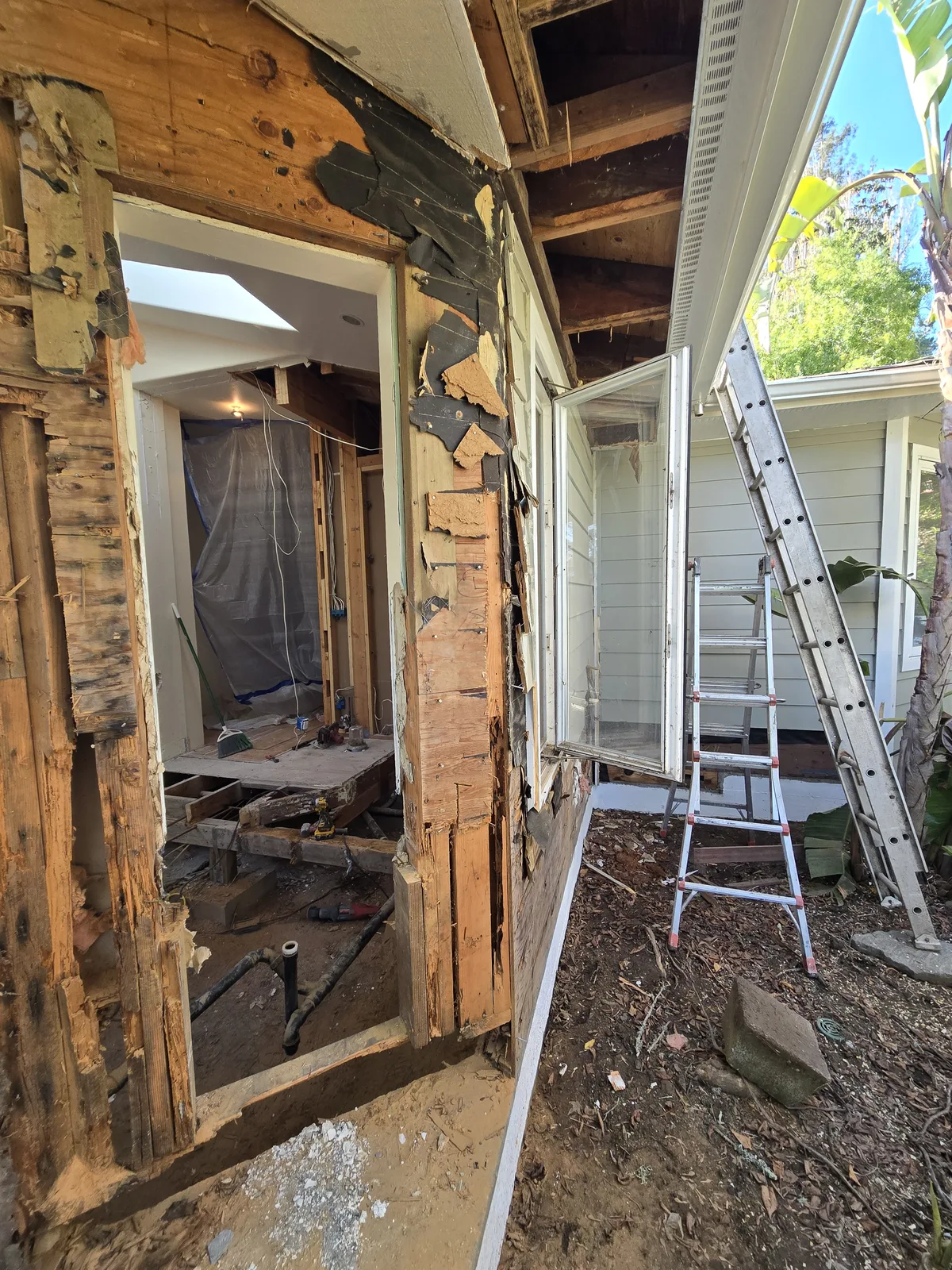
Dry rot can make wood brittle. In more advanced cases, the wood may crumble, flake, or break apart in chunks. This is common around old deck framing, window sills, exterior trim, and areas where water has been trapped for a long time.
This kind of damage should not be ignored. When wood is breaking apart, the repair may require more than a small patch.
4. Dark Stains Or Discoloration
Dry rot may appear as dark brown, black, gray, or yellowish staining. Discoloration can be a sign that moisture has been sitting in one area for too long.
This is especially important around:
- Window sills
- Door thresholds
- Deck ledger boards
- Exterior trim joints
- Fascia boards
- Siding seams
- Areas below gutters
- Walls near irrigation
Discoloration does not always mean dry rot, but it is worth investigating if the wood also feels soft or the paint is failing.
5. Gaps Around Windows Or Doors
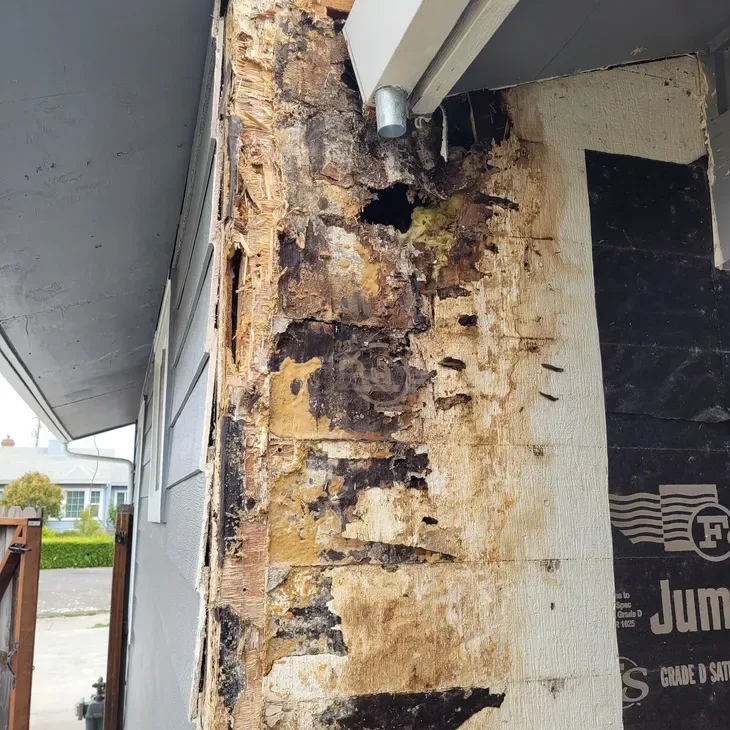
Dry rot is often found around windows and doors because those areas depend on proper flashing, caulking, paint, and drainage. If water gets behind the trim or framing, the damage may stay hidden until the wood starts moving, swelling, shrinking, or falling apart.
Watch for:
- Gaps around window trim
- Loose trim boards
- Soft window sills
- Cracked caulking
- Water stains below windows
- Doors that no longer close correctly
- Swollen or deteriorating thresholds
If you are seeing these signs, it may be time to consider window and door replacement along with dry rot repair.
6. Deck Boards Or Railings That Feel Weak
Decks are one of the most common places we find dry rot in Sonoma County. Even a deck that looks okay from the top can have hidden issues underneath.
Warning signs include:
- Soft deck boards
- Loose railings
- Wobbly stairs
- Dark staining around fasteners
- Boards that flex too much
- Rot around posts or joists
- Water trapped where the deck meets the house
Dry rot in a deck should be taken seriously because it can affect safety. If your deck feels unstable, avoid using it until it can be inspected.
For larger repairs or rebuilds, Rising Starr Construction also provides deck construction services throughout Windsor and Sonoma County.
Where To Check For Dry Rot Around Your Home
If you want to do a simple walkthrough of your property, start with the areas that are most exposed to moisture.
Check these areas first:
- Exterior window trim
- Door trim and thresholds
- Fascia boards and roof edges
- Deck boards, posts, joists, and railings
- Wood siding near the ground
- Areas near sprinklers
- Bathroom or kitchen walls with past leaks
- Garage trim and side doors
- Wood near concrete patios or walkways
- Areas below gutters or roof valleys
You do not need to tear anything open yourself. The goal is to look for visual warning signs and decide whether a professional inspection or estimate is needed.
Why You Should Not Wait To Repair Dry Rot
Dry rot rarely gets better on its own. Once the wood is compromised, the damage can continue spreading if the moisture source is not corrected.
Waiting too long can lead to:
- More expensive repairs
- Larger sections of wood needing replacement
- Hidden framing damage
- Window or door problems
- Deck safety concerns
- Failed paint and exterior finishes
- Pest issues in damaged wood
- Delays during a remodel or real estate sale
The sooner the problem is addressed, the easier it is to control the scope of work.
What A Professional Dry Rot Repair Should Include
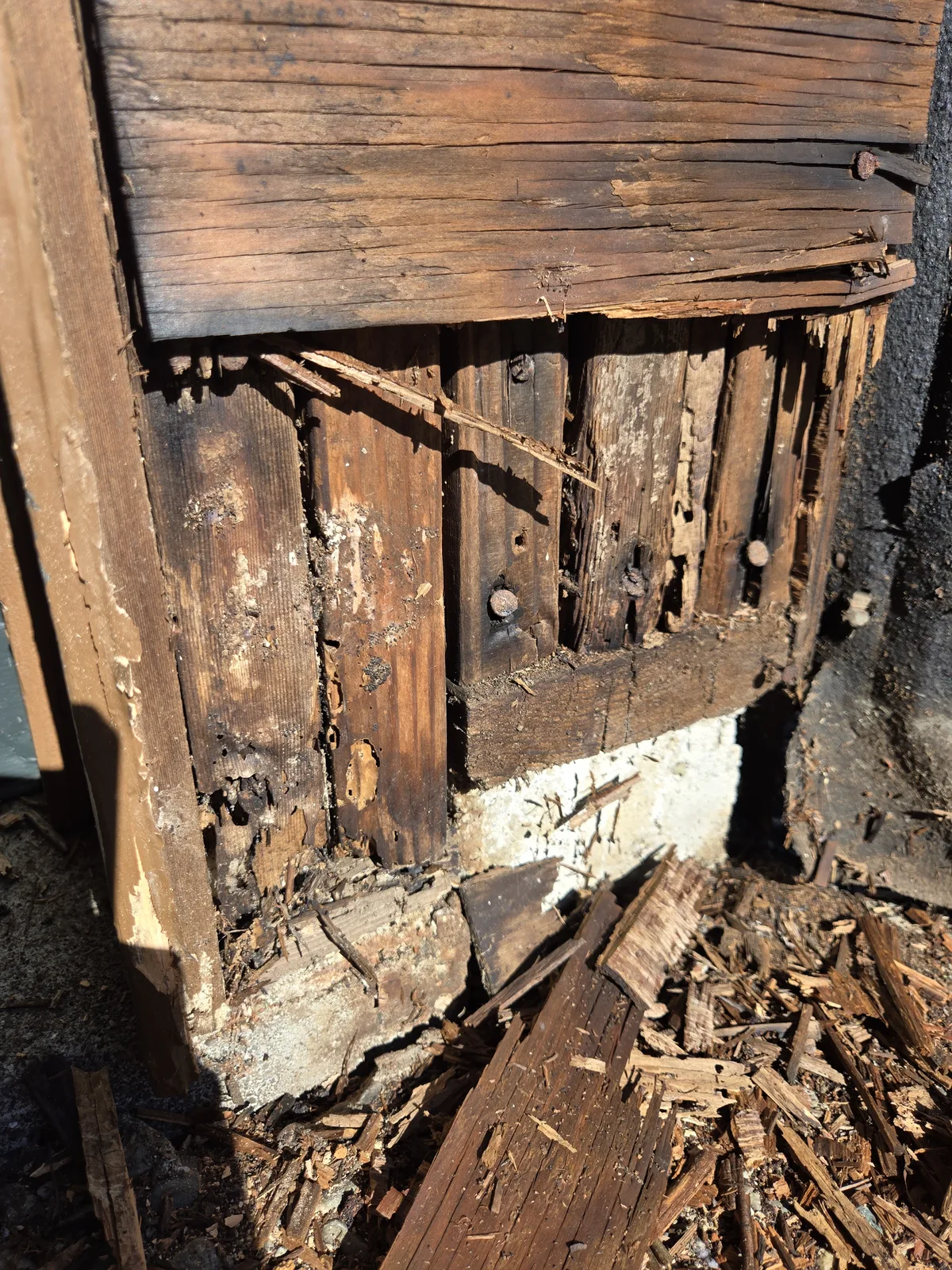
A proper dry rot repair is not just about covering the damage. The damaged wood needs to be removed, the affected area needs to be rebuilt correctly, and the source of the moisture problem should be addressed.
A quality dry rot repair may include:
- Inspecting the damaged area
- Removing rotted or compromised wood
- Checking nearby framing for hidden damage
- Replacing damaged trim, siding, framing, or decking
- Improving flashing, caulking, drainage, or paint protection
- Preparing the area for long-term durability
- Matching the repair to the existing home when possible
This is why it is important to hire a licensed contractor instead of someone who only patches the visible surface. A patch may look fine for a short time, but if the underlying issue is not fixed, the rot can return.
Learn more about our dry rot repair services.
Dry Rot And Real Estate Repairs
Dry rot also comes up often during real estate transactions. Pest reports, home inspections, and Section 1 clearance items may identify wood damage that needs to be repaired before a sale can move forward.
Rising Starr Construction works with homeowners, buyers, sellers, and realtors on construction repairs. Formal pest inspections and any required pest clearance should be coordinated with an appropriately licensed structural pest control company. If you received a report, our guide to inspection-related wood repairs explains how to organize the construction scope and reinspection responsibilities.
When To Request A Dry Rot Estimate
You should request a dry rot estimate if you notice soft wood, peeling paint, damaged trim, deck movement, dark staining, or visible wood decay. You should also call if you are planning a remodel and want to make sure there are no hidden issues before the project starts.
Rising Starr Construction provides dry rot repair and general contracting services in Windsor, Santa Rosa, Rohnert Park, Cotati, Petaluma, Healdsburg, Sebastopol, and surrounding Sonoma County communities.
As a bonded and insured contractor, Lic. #1096755, we take pride in doing the job correctly, communicating clearly, and helping homeowners protect their property.
Protect Your Windsor Home From Dry Rot
Dry rot can start small, but it can become a serious issue when left alone. The best thing you can do is catch the warning signs early and work with a contractor who understands how to repair the damage correctly.
For planning information, read what affects dry rot repair cost in Windsor. Rising Starr Construction serves Windsor, Sonoma County, Marin County, and Napa County. Whether it is exterior trim, siding, window framing, doors, decks, or larger structural repairs, we can inspect the issue, explain your options, and provide a clear path forward.
Contact Rising Starr Construction today to request your dry rot repair estimate in Windsor, CA.