


Turn The Inspection Report Into A Clear Repair Scope
A home inspection or pest report can introduce unfamiliar terms at an already busy point in a home sale. A buyer may be trying to understand the condition of the property. A seller may need to organize repairs while preparing to move. A realtor may be coordinating information between several people with different deadlines.
For dry rot construction repairs in Windsor, the useful first step is to connect each reported location with a defined next action. Which items need explanation from the inspector? Which need a construction estimate? Which require additional access or investigation? Who will confirm completion if formal reinspection is part of the transaction?
Rising Starr Construction works with homeowners and realtors on dry rot and structural wood repairs in Windsor and Sonoma County, with service in Marin and Napa counties. This guide focuses on organizing the construction work and its documentation so the repair process is easier to follow.
Keep Inspection And Construction Roles Clear
A construction repair estimate and a formal pest inspection report serve different purposes. The contractor needs to understand the work being requested, while the appropriate inspector is responsible for explaining the findings and any formal reinspection process associated with that report.
California's Structural Pest Control Board online services provide license verification and access to information about filed wood-destroying-organism inspections. Use an appropriately licensed structural pest control company for formal pest inspection and clearance questions. Do not assume that a general contractor's invoice substitutes for a required pest clearance.
Ask the report's author to explain unfamiliar classifications or inaccessible-area notes. A construction contractor can then discuss the physical repair scope without guessing what a report category means for your transaction. Keeping those conversations connected prevents important responsibility from falling between different professionals.
Send The Complete Relevant Report
A cropped photograph or one sentence from a report may omit a diagram, location reference, recommendation, or limitation. Provide the relevant report in full when arranging a repair discussion, along with any addenda or later clarification.
Identify the items you want estimated, but keep their original labels. If the report calls a location “Item 3B,” use that reference in your notes and ask that it appear in the construction proposal where applicable. That makes it easier to compare the estimate with the source document.
Also provide the address, available access, and the person coordinating the work. Explain whether the property is occupied and whether a seller, buyer, or authorized representative will approve decisions. Clear information at the beginning can save repeated visits and avoid assumptions about who is directing the project.
Build A Repair List That Follows The Report
Use a simple record for each item:
- Report reference and exact location.
- Description of the concern in the report.
- Clarification or additional investigation needed.
- Proposed construction scope.
- Person authorized to approve the work.
- Reinspection or documentation requirements to confirm.
- Current status and next action.
The list is a coordination tool, not a replacement for the report or contract. It helps you see where information is missing. One item may be ready for an estimate while another still needs the inspector to clarify an inaccessible area or the recommended next step.
Do not combine unrelated locations into a single vague instruction to “clear the report.” Different items can involve different materials, access, and professionals. Keeping the references intact makes the completed work easier to review.
Let The Contractor Assess The Construction Conditions
An inspection report is important background, but the contractor may still need an on-site visit to evaluate access, surrounding finishes, and the practical repair boundary. The report may identify a concern without describing every construction task needed to address it.
Ask what is visible during the visit and what remains concealed. If opening work is proposed, agree on its limits and how findings will be documented. A damaged area near a window may involve trim alone or connect to additional components; the estimate should not pretend those conditions are known before assessment.
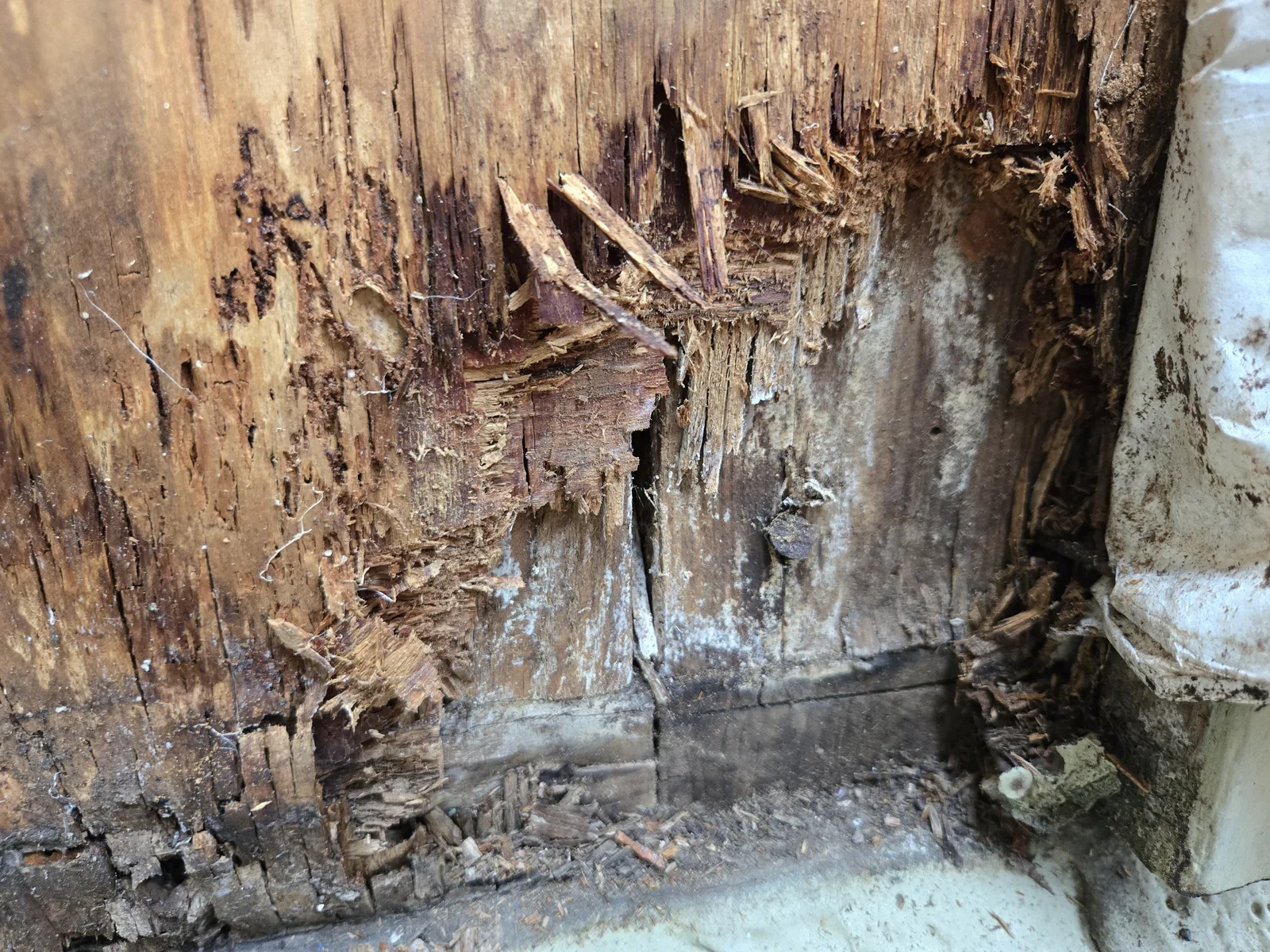
Our dry rot warning-sign guide can help you describe visible concerns. Use professional findings to define the actual repair rather than asking a general article or photograph to settle the condition of the house.
Compare Estimates Against The Same Items
When asking for multiple proposals, provide the same report references and requested scope. Ask each contractor to identify exclusions, investigation limits, finish responsibilities, and assumptions about access. Otherwise, two totals may describe substantially different work.
Check whether an estimate includes removal, disposal, repair materials, related construction tasks, and final finish work. Clarify who confirms permits or inspections where required. If an item involves another trade or professional, state that separately rather than letting it disappear into a general repair description.
Our dry rot repair cost guide explains how these details affect a proposal. For a transaction, the clearest estimate is one that a homeowner, contractor, and coordinating realtor can connect back to the same locations and agreed tasks.
Establish A Decision Process Before Work Begins
Identify who can authorize additional work and how that approval will be recorded. A realtor coordinating access may not be the person approving construction costs. A buyer and seller may each need their own transaction advice before agreeing to a change. Keep those roles explicit.
If opening work reveals a broader issue, ask the contractor to provide photographs, an explanation, and a written proposal for the added scope. The record should describe any price and schedule effect. Avoid relying on a chain of brief messages in which nobody clearly approves the same version of the work.
Transaction negotiations and construction decisions need coordination, but they are not interchangeable. Your real estate professionals can address the transaction arrangements while the contractor explains the repair and what is needed to perform it.
Ask About Reinspection Before Concealing The Repair
If formal reinspection or clearance is required for your situation, contact the responsible inspector early. Ask what access, documentation, and timing they need. Do not wait until finishes are restored to discover that an area should have remained visible for review.
Building inspections, pest reinspections, and the contractor's final walkthrough may be separate events. Confirm which apply, who schedules them, and what each is intended to establish. A passed step in one process should not be assumed to satisfy every other requirement.
Share those expectations with the contractor before the construction sequence is finalized. The repair plan can then include the appropriate checkpoints. Photographs are useful records, but whether they are sufficient for a particular review is a question for the professional or authority responsible for that review.
Make The Calendar Reflect The Whole Process
A deadline may be important to the transaction, but construction readiness still depends on access, defined scope, materials, approvals, and inspection coordination. Give the contractor the desired date and ask what must happen first to determine whether it is achievable.
Separate the date work might start from the date repair, finish restoration, and any required follow-up could be completed. An exterior opening repair, for example, may depend on replacement product availability or a later finish step. Those dependencies should be visible to everyone planning around the job.
If timing changes, communicate the reason and next action through the agreed contacts. Clear updates help the parties make informed decisions. A contractor should not promise that physical repairs alone will guarantee a closing date controlled by several separate processes.
Keep Related Improvements Separate From Required Repairs
A seller may prefer a focused repair while a buyer hopes to remodel later. Both goals can be reasonable, but the construction scope should identify which is being commissioned now. Adding optional improvements without documenting the change can confuse cost and completion expectations.
If an opening needs attention, window and door services may overlap the repair. A deteriorated deck can involve deck construction or repair. Ask whether those tasks are necessary to complete the defined work or are separate upgrades to consider.
For a larger post-purchase renovation, use our home remodeling services to start a distinct planning conversation. Keeping the transaction repair and future renovation clearly described helps avoid reopening assumptions each time a new idea is raised.
Assemble A Completion Record Everyone Can Follow
At the end of the project, keep the signed scope, approved changes, photographs, invoices, and applicable inspection or reinspection documents together. Label the material with the property and report references so the record remains understandable after the transaction is over.
During the final walkthrough, compare the completed construction with the agreed scope and record any remaining items. Ask who is responsible for the next step and when it is expected. If a separate professional needs to review the work, make sure that coordination has an identified owner.
A clear record benefits the current owner and anyone who later maintains the home. It shows what was repaired, what was retained, and which documents relate to formal review. That is more useful than a folder of photographs without dates or locations.
Questions About Inspection-Related Repairs
Can Rising Starr issue a pest clearance?
Arrange formal pest inspection and clearance with an appropriately licensed structural pest control company. Discuss the construction repair scope with Rising Starr and coordinate any required review with the responsible inspector before work is concealed.
Does every report item require the same kind of contractor?
No. Ask the report's author to clarify the recommendation, then identify the appropriate professional for each task. Construction repairs, pest-related services, and other specialist work may have different responsibilities.
Should repairs start before the scope is approved?
Agree on the requested work, authorized decision-maker, and any investigation step before construction begins. A clear written scope is particularly helpful when multiple people are involved in the transaction.
Arrange A Windsor Repair Consultation
Bring the report, address, item references, access information, and the proposed transaction timeline. Rising Starr Construction can discuss the construction work and help organize a repair proposal tied to the actual conditions. A clear scope and coordinated review process make it easier for homeowners and realtors to understand what happens next.