


Treat The Opening As A Complete Assembly
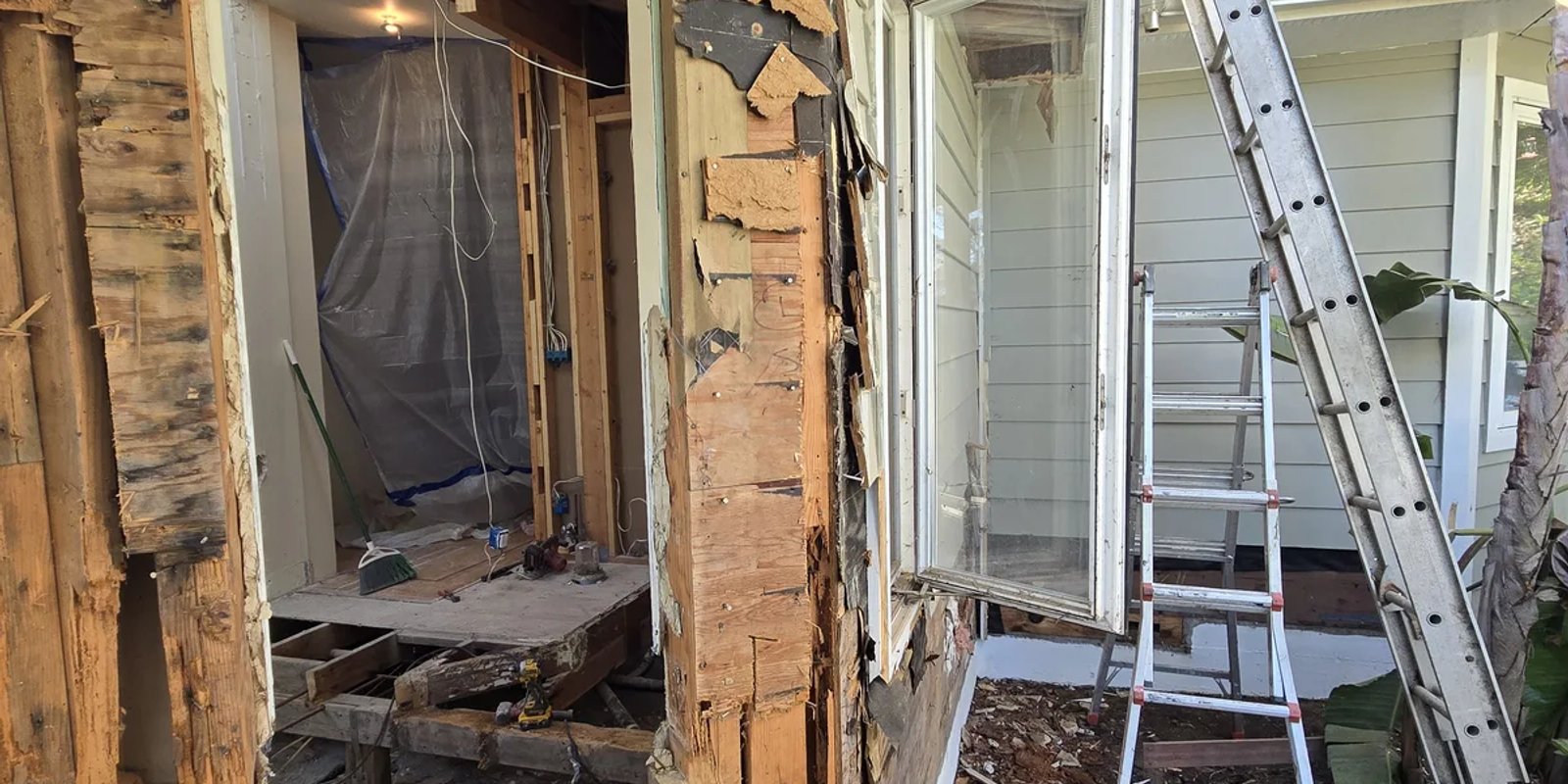
Soft trim beside a window or a deteriorated door threshold can look like a small finish problem. Sometimes it is limited to an accessible piece of wood. In other cases, the visible damage points to a repair that extends behind siding, into the opening, or beneath the threshold. The right approach starts with understanding the condition of the whole area.
For Windsor homeowners, the practical question is whether the window or door can stay while the surrounding wood is repaired, or whether removing or replacing it is part of a sound repair. Neither answer should be automatic.
Rising Starr Construction provides window and door replacement and dry rot repair in Windsor and throughout Sonoma County, with service in Marin and Napa counties as well. Coordinating the two scopes helps keep the opening, adjoining materials, and finish work in one clear plan.
Notice Changes Without Assuming Their Cause
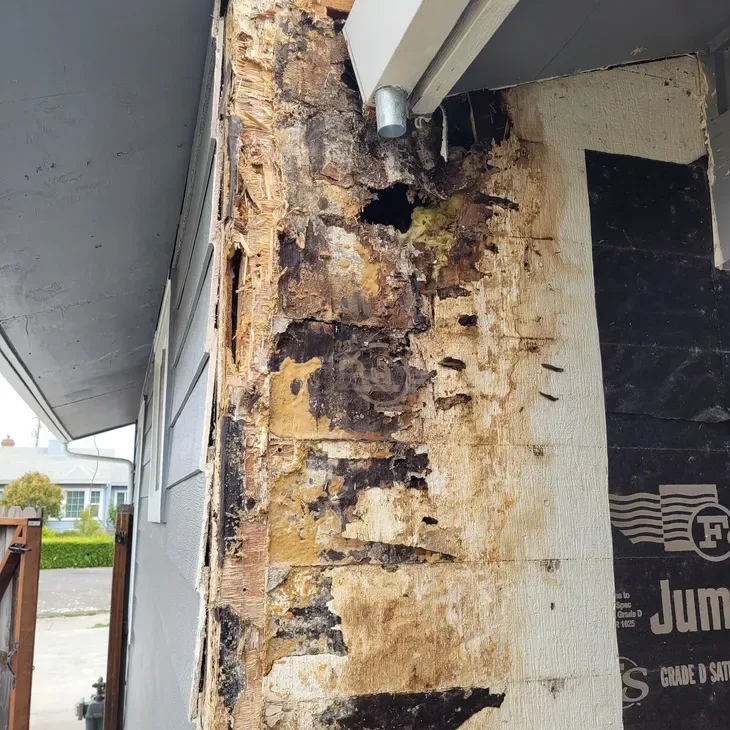
Look for changes around the opening: peeling paint, separated trim joints, soft or crumbling wood, interior staining, or a threshold that no longer feels sound. A door that sticks or a window that operates poorly is also worth discussing, but those symptoms can have more than one cause.
Photograph the area from a safe position and note when you first saw the problem. Does staining appear after wind-driven rain? Is the location near irrigation? Was the opening previously repaired? These observations help the contractor decide what to examine.
Do not force a damaged door, remove siding, or probe framing to make your own diagnosis. If the opening no longer provides a secure or usable entrance, explain that when you call. A contractor can help determine the appropriate assessment and immediate practical concerns for that location.
Distinguish The Window From The Wood Around It
The glass, sash, and frame are only part of a window installation. Exterior trim, the framed opening, surrounding wall materials, and water-management details each have a role. A product replacement quote may not include repair of all those adjacent components.
Ask the contractor what appears serviceable and what needs further investigation. If the window itself is functioning well, it may be possible to repair surrounding materials without buying a new unit. If the product is deteriorated, poorly suited to the opening, or must be removed for access, replacement may deserve consideration.
The same distinction applies to doors. A slab, jamb, threshold, exterior trim, and nearby floor are separate parts. Understanding which components are affected makes the estimate easier to read and reduces the chance that “door replacement” means something different to each person discussing the job.
Find Out How Water Reached The Area
A repair should include a discussion of the likely water path, not just the appearance of the damaged board. Ask what can be observed now and what will be checked after approved opening work. The source may be close to the visible damage, but it should be investigated rather than assumed.
The U.S. Department of Energy explains that properly lapped window and door flashing directs water out of the wall cavity. That is why the relationship between the opening and the surrounding wall deserves attention during a repair.
The construction details should follow the selected product and assembly requirements. Adding sealant to every visible gap is not a substitute for understanding the intended drainage path. Ask the contractor to explain the planned correction in terms you can follow, including any related work outside the replacement itself.
Compare Repair And Replacement On The Same Basis
A useful comparison considers product condition, access, adjoining damage, finish work, and your longer-term plans. Retaining an otherwise suitable window can make sense, but only if the needed repair can be completed properly around it. Replacing a product may improve operation, but it does not automatically resolve damaged surrounding wood.
Ask for the reasons behind each option. Which materials would be removed? Which would be retained? What remains unknown? Would one option require more interior or exterior restoration? How would either option affect the final appearance?
For cost planning, our Windsor dry rot repair estimate guide explains how access, hidden conditions, and restoration shape the proposal. Use it to compare complete scopes rather than the price of a window or door alone.
Define The Limits Of Investigation
The first visit may not reveal the full condition behind trim or siding. Before any opening work, agree on the area to be examined, how it will be protected, and what happens if more damage is found. The proposal should make those boundaries visible.
Ask for photographs and a written explanation if the scope needs to expand. A repair might remain local, or the contractor may find that adjacent framing or sheathing requires attention. The decision should follow the findings rather than an assumption that every opening needs the same treatment.
Discuss weather exposure as part of this plan. Once materials are removed, the crew needs a way to protect the opening until the permanent work is complete. Confirm who is responsible for temporary protection and how the schedule accounts for product availability and inspections where applicable.
Select Replacement Products Before Demolition
If replacement is chosen, settle the product details before removing a usable opening whenever the project conditions allow. Confirm dimensions, operating style, glazing, hardware, finish, and manufacturer installation requirements. Also confirm who measures and who approves the order.
An exterior door should work with the way people enter the home. Think about swing direction, clearance near furniture, threshold use, and hardware preferences. For windows, discuss ventilation, ease of use, and the relationship to existing interior finishes. Applicable project requirements must also be checked before the order is final.
Ask who handles delivery inspection and incorrect products. A unit that arrives damaged or in the wrong size can affect both security and scheduling. Product readiness is an important part of planning an opening repair, especially when the home will remain occupied throughout the work.
Plan Both Sides Of The Finish Work
Exterior work can affect interior surfaces, and interior changes can expose issues outside. A complete estimate should describe the expected trim, siding, drywall, paint, flooring, and threshold restoration. Some projects need only limited work; others involve several adjoining finishes.
Discuss matching expectations using actual materials or samples where possible. Older trim profiles and weathered finishes may not match a new piece perfectly. Decide whether you want a local repair, a wider paint area, or a more consistent update across related openings.
If the opening sits in a room already scheduled for renovation, coordinate the sequence with home remodeling. Completing the opening repair before new cabinets, tile, or flooring can avoid unnecessary disturbance of the finished room. The contractor should explain the order that suits your specific scope.
Confirm Permit And Inspection Responsibilities
Share the actual property address and planned work before deciding what approvals are needed. Changing an opening, repairing structural components, and replacing selected finish pieces can lead to different requirements. A neighbor's experience is useful context but does not establish your project's process.
Ask who will contact the relevant building department, prepare information if required, and arrange inspections. Make those responsibilities part of the written scope. If concealed damage changes the work, the contractor should revisit any affected requirements before proceeding.
Windsor, other Sonoma County cities, and unincorporated county areas do not all use the same permitting office. Our Sonoma County service area page helps identify the communities we serve, while the property jurisdiction determines the building authority for the job.
Keep The Product Records With The Repair Scope
When a new window or door is installed, save the model information, product instructions, and contractor's scope together. Note which surrounding materials were repaired and which were retained. This helps distinguish the manufacturer's product coverage from the construction work if a question comes up later.
At the final walkthrough, operate the window or door with the contractor and review the completed trim and finish transitions. Ask about routine cleaning and maintenance for the selected product. If something remains unfinished, record the item and responsible person before treating the project as complete.
Questions Homeowners Ask About Opening Repairs
Does every rotted window sill mean I need a new window?
No. The sill, surrounding framing, and window product need to be assessed separately. Ask whether the unit can be retained while completing the repair correctly, and compare that option with replacement using the same restoration assumptions.
Can the contractor guarantee there is no hidden damage?
Finished surfaces can limit what is visible. A useful proposal states those limits and describes the process for additional findings. Clear documentation is more useful than a promise that concealed conditions cannot exist.
Should I replace every window at the same time?
Not necessarily. Discuss product condition, access, appearance, budget, and the reason for the immediate repair. A focused repair and a whole-house replacement are different projects. Choose the scope that addresses your needs after the affected opening is evaluated.
Prepare For A Window Or Door Repair Conversation
Gather a wide photograph, a close photograph, the location of the opening, and any history of leaks or previous repairs. Explain whether the unit operates normally and whether you are interested in retaining or replacing it. Include any upcoming remodeling plans that could overlap.
Rising Starr Construction can help Windsor homeowners connect the visible concern with a practical construction scope. Review our project gallery for examples of the company's residential work, then contact us to discuss your opening, the surrounding damage, and the next step toward an estimate.