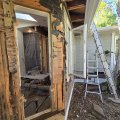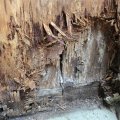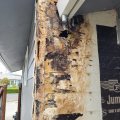

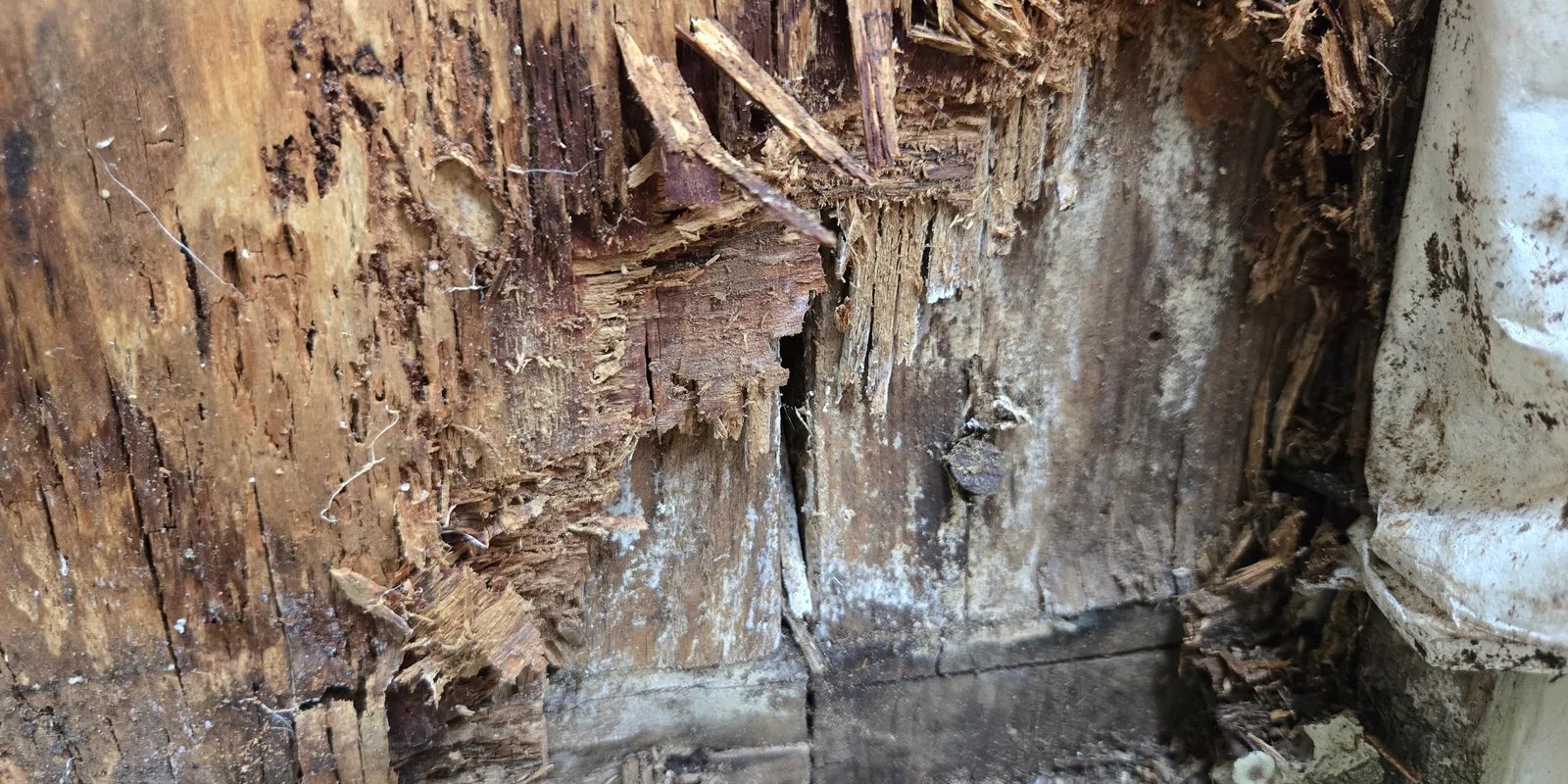

The Repair Scope Determines The Price
Dry rot repair in Windsor can mean replacing a deteriorated trim board, rebuilding the wood around an opening, or repairing structural members behind finished surfaces. Those jobs need different amounts of labor, access, materials, and finish work. A reliable estimate starts by identifying which job your home actually needs.
That is why a price based only on the visible size of a stain can be misleading. A small damaged corner may be easy to access, or it may connect to concealed deterioration. Conversely, peeling paint over a broad area does not automatically mean all the underlying wood needs replacement.
Rising Starr Construction provides dry rot repair in Windsor and Sonoma County, with service also available in Marin and Napa counties. This guide explains how to read a repair estimate, compare proposals, and prepare for the decisions that come after the affected area is assessed.
Start By Identifying The Component
The first pricing question is what part of the building is damaged. Decorative trim, siding, sheathing, and framing perform different jobs. An estimate that simply says “replace rotten wood” leaves too much unanswered.
Ask the contractor to identify the affected component and its role. Is it a finish piece around the window, material behind the siding, or part of the structure supporting the opening? What must be removed to reach it? Which adjacent materials can reasonably be retained?
A repair description should also locate the work clearly. “Rear patio door, lower left side” is more useful than “exterior repairs.” Photographs marked with the proposed boundaries help you compare estimates and understand whether two contractors are discussing the same area. If more investigation is needed, the proposal should explain that next step instead of hiding the uncertainty inside a single number.
Visible Damage And Concealed Damage Are Different Scopes
A contractor can inspect accessible surfaces during the initial visit, but finished walls and trim may conceal important conditions. A first estimate should distinguish what has been observed from what will only become visible after approved opening work.
Ask how additional findings will be handled. A useful process includes photographs, an explanation of the newly exposed condition, and a written change proposal describing the work, price, and schedule effect. Agree on who can authorize that work before the project begins.
For early warning signs, read our guide to spotting dry rot in Windsor homes. Use it to prepare observations for the visit, not to determine structural condition from a photograph. The estimate becomes more dependable when the inspection limits are stated plainly.
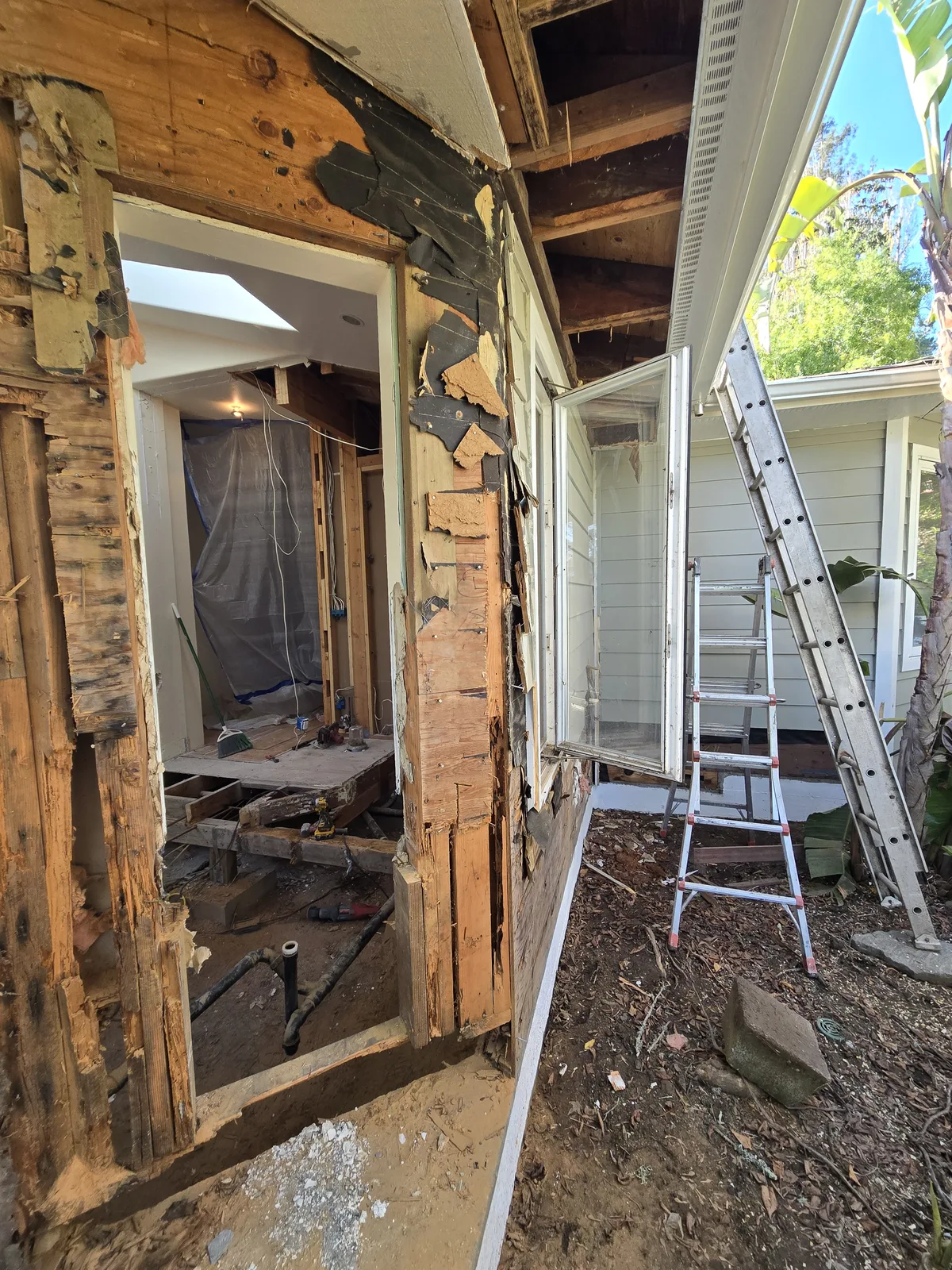
Access Can Matter As Much As The Amount Of Wood
Replacing a board beside a ground-level walkway is different from working above a steep slope or over a roof. The crew needs a safe place to work, somewhere to stage materials, and a way to remove debris without damaging the property.
Tell the contractor about locked gates, narrow side yards, landscaping, overhead obstructions, and parking limitations. If a repair is inside the home, discuss furniture, floor protection, and whether the room will stay occupied. These practical details can change the labor required even when the replacement materials are similar.
Ask whether the estimate includes the access equipment and protection needed for the stated scope. A proposal that appears lower because it omits those items may not represent a lower total project cost. Resolve the difference before signing rather than comparing only the bottom number.
The Source Of Water Belongs In The Discussion
Replacing damaged wood is only one part of planning the repair. Ask what evidence points to the source of moisture and what work is proposed to address it. A window opening, door threshold, deck connection, gutter issue, or irrigation pattern may need separate attention.
Do not assume every contractor's estimate includes every related trade. One proposal might include carpentry and finish work while another includes a broader correction at the opening. Ask which tasks are included, which need another professional, and how those tasks should be sequenced.
The answer may involve window and door replacement or deck repair, but a larger project should follow the assessment. It should not be an automatic recommendation simply because deterioration is visible. Ask why the proposed repair is appropriate for the condition found.
Finish Restoration Is A Real Part Of The Budget
After the wood repair, the area still needs to meet the surrounding home cleanly. Siding profiles, trim dimensions, interior drywall, paint preparation, and finish coverage can all affect the estimate. Matching an older material may require a different approach from installing a readily available product.
Clarify whether the price includes primer, final paint, sealants where appropriate, and cleanup. Ask how far the finish work extends. Painting only a repaired board may leave a visible difference beside weathered surfaces; painting an entire wall is a different scope.
An estimate should state the intended result without promising an invisible match to every aged material. Bring up appearance during planning so that construction and finish expectations agree. This is especially helpful when the repair is near the front entry or another highly visible part of the house.
Compare Repair Proposals Line By Line
Use the same questions for every estimate:
- Which locations and components are included?
- What investigation or opening work is authorized?
- What demolition, disposal, and site protection are included?
- How will concealed damage be documented and approved?
- What related moisture correction is included or excluded?
- Which materials and finish responsibilities are specified?
- Who confirms permit and inspection requirements?
- What conditions could change the schedule?
A detailed proposal does not have to be difficult to read. It should give you enough information to understand the work and its limits. If one estimate is much lower, ask whether it covers the same repair boundary, access, and restoration. Different prices often reflect different assumptions, and those assumptions are easier to resolve before work begins.
Plan A Reserve Without Treating It As An Open Approval
It is sensible to leave room in your household project budget for conditions that cannot be evaluated until the area is opened. The appropriate reserve depends on uncertainty in your actual project; a universal percentage can create false confidence.
Keep that reserve separate from the contracted scope. Having funds available does not authorize additional work automatically. Ask for an explanation and written approval process when the contractor identifies a necessary change.
If the available budget is limited, discuss priorities. The contractor may be able to separate essential repair from optional appearance upgrades, but the work must still form a complete and appropriate repair. Deferring decorative work is different from leaving a necessary connection or weather protection unfinished. Ask for a clear description of what each proposed phase accomplishes.
A Practical Example Of Comparing Two Estimates
Imagine two proposals for deterioration beside a patio door. The first includes removal of exterior trim and replacement of a visible board, with painting by the homeowner. The second includes limited opening work, an allowance for a defined repair, replacement trim, and painting of the affected section.
These are illustrative scopes, not quotes for a Rising Starr project. The difference is that the second proposal addresses more tasks. Before choosing, ask both contractors how they would handle damage beyond the visible board and what would happen if the door needed to be removed for access.
You can then request revisions around the same assumptions. This produces a more useful comparison than asking each company to match a number without agreeing on what that number buys.
Questions About Dry Rot Repair Pricing
Can you quote a repair from photos?
Photos can help begin the conversation and identify the kind of assessment needed. Include a wider view and a close view from a safe location. A firm proposal may still require an on-site visit or approved investigation of concealed conditions.
Is replacing all the surrounding wood always necessary?
No. The appropriate boundary depends on the condition of the materials, their function, and how the repair can be completed properly. Ask the contractor to explain why each component is included. Neither a tiny patch nor a large replacement is automatically the right answer.
Does a dry rot repair always require a permit?
Requirements depend on the property jurisdiction and proposed work. Ask the contractor to confirm the applicable process before starting. Structural changes and simple finish repairs should not be treated as interchangeable just because both involve wood.
Request An Estimate With Useful Information Ready
Before contacting a contractor, gather photographs, the property address, a short description of the damage, and any inspection report or past repair records. Mention whether the area changes after rain, whether a leak is active, and whether access is difficult. Do not remove structural material to improve the view.
Rising Starr Construction can discuss the construction repair, explain the information needed, and help define the next step. If the damage affects a larger renovation, review our home remodeling services so the scopes can be coordinated. A useful estimate gives you a repair plan you can understand, not simply a price detached from the condition of your home.