


Look Beyond The Board That First Caught Your Eye
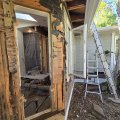
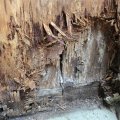
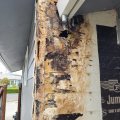
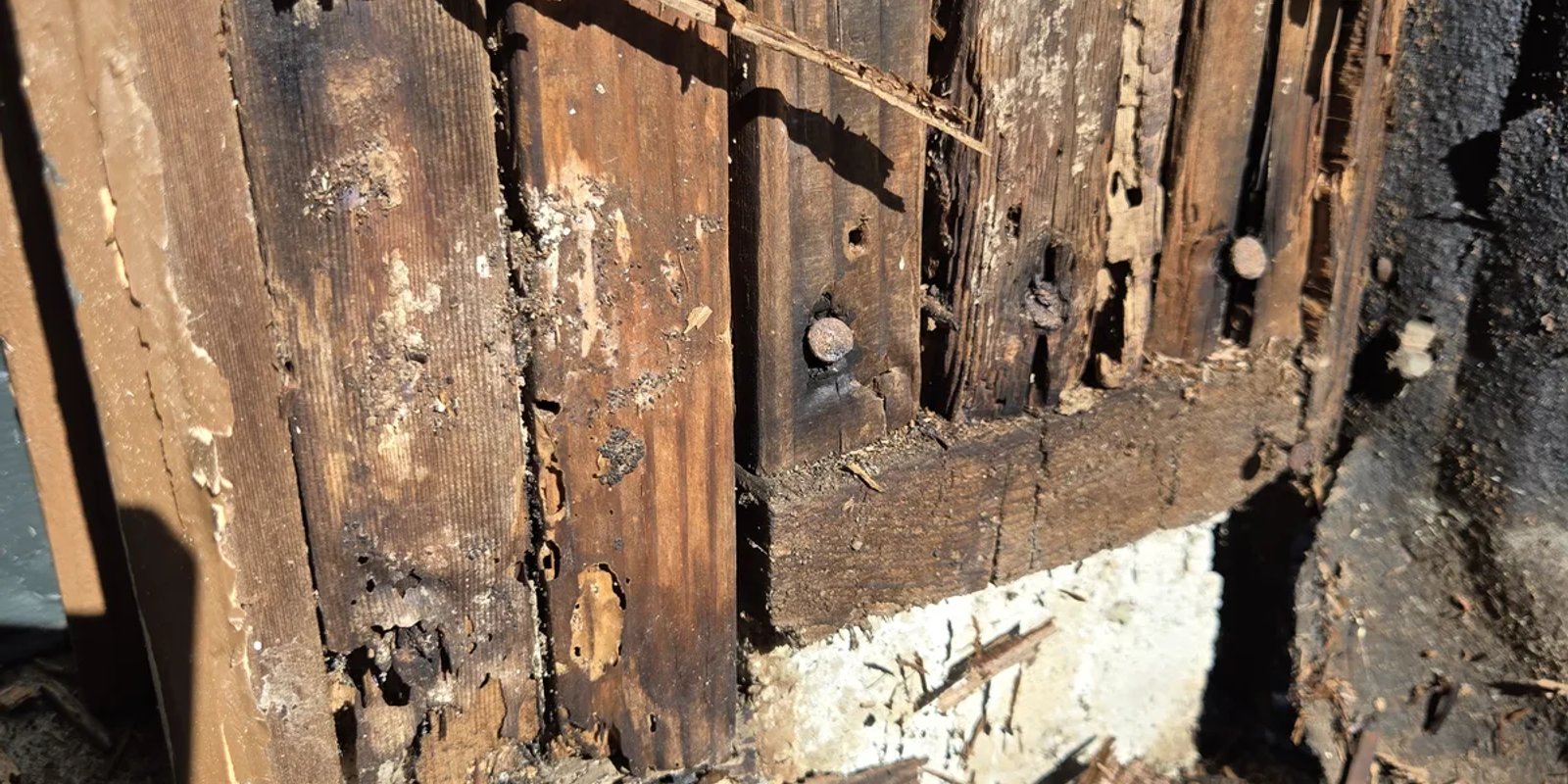
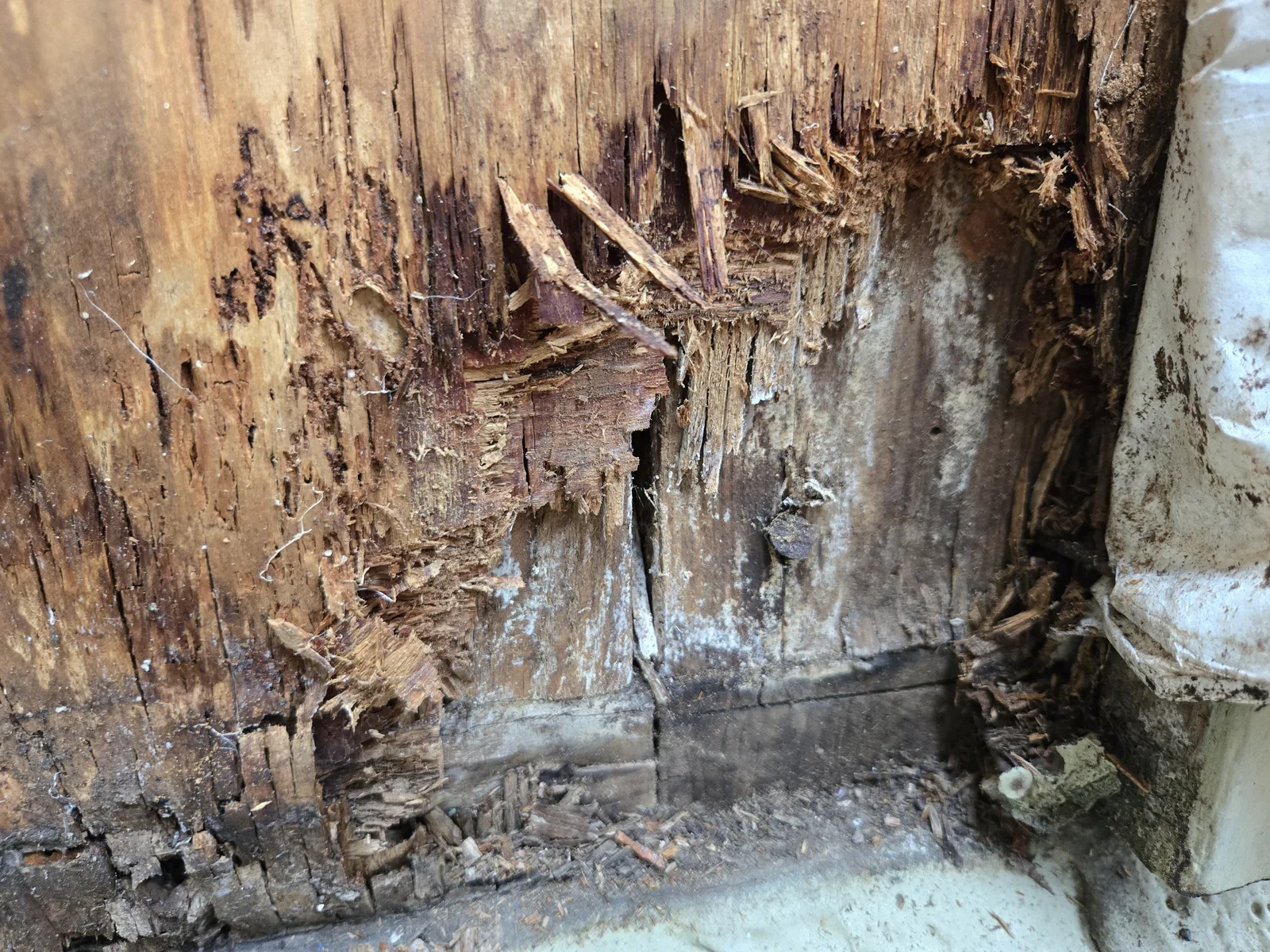
Dry rot repair in Napa County often begins with a homeowner noticing a change: paint lifting near a window, deterioration at the bottom of trim, or a soft section beside a patio door. The repair decision should go beyond replacing the first damaged piece. It should consider what is affected, what surrounds it, and why the area became a concern.
A dry-looking exterior on the day of a visit does not explain the history of the location. Irrigation, past leaks, drainage, and previous repairs may all be relevant to the assessment. The useful starting point is a record of what you have observed over time.
Rising Starr Construction, based in Windsor, provides dry rot repair and residential construction for homeowners in Napa, Sonoma, and Marin counties. This guide focuses on organizing exterior wood repairs so that the scope addresses the condition of the property rather than only its appearance.
Map The Exterior Areas You Want Reviewed
Walk around accessible portions of the property and make a list by location. Separate the main entry, rear patio, garage, windows, and any detached structures. Add photographs that show both the affected material and its surroundings.
Use observations rather than diagnoses. “Paint repeatedly peeling at the lower corner” is useful. “The entire wall is rotten” may be an assumption until the area is evaluated. Note changes you have seen, including whether a door is harder to operate or a stain returns after a particular event.
Do not climb onto roofs, remove trim, or enter unsafe spaces to complete the list. A record from safe locations is enough to start a professional conversation. Our dry rot warning-sign guide can help you describe the concern clearly without trying to establish hidden conditions yourself.
Include Irrigation In The Property History
If sprinklers regularly reach the siding, trim, or deck, tell the contractor. Describe the pattern and whether it changes during the watering season. A repair discussion should consider repeated exposure at the location rather than relying only on whether rain is falling that week.
The University of California's carpenter ant prevention guidance identifies leaks and poor drainage as conditions that promote wood decay. For your property, ask which moisture-related conditions need correction and who should handle them.
Landscape adjustments and construction repairs may be separate tasks. A contractor can define the wood repair while the appropriate landscape or irrigation professional addresses watering or drainage concerns. Agree on the sequence so newly repaired materials are not immediately returned to the same unresolved exposure.
Check The Relationship Between Wood And Adjacent Surfaces
Pay attention to places where wood meets paving, planting beds, stairs, or other exterior features. The contractor should assess the actual assembly and any relevant separation or drainage details. Avoid assuming that a surface patch will address a problem at that intersection.
For example, deteriorated trim beside a patio may require a closer look at the adjoining threshold or wall materials. Ask how the proposed repair will meet the existing surfaces and whether any surrounding work is needed to complete it properly.
Do not regrade soil, cut structural wood, or alter drainage paths based on a general article. Those decisions depend on the building and site. The homeowner's useful role is to identify recurring exposure, provide history, and ask for a repair plan that explains how the adjoining conditions are being considered.
Distinguish Paint Preparation From Wood Repair
A repaint can improve weathered surfaces when the underlying material is suitable. Deteriorated wood calls for a separate assessment before it is covered with new paint. Ask the contractor to identify what can be prepared and retained versus what needs repair or replacement.
The estimate should state where the construction work ends and the finish work begins. Will the area be left ready for another painter? Does the proposal include primer and final coating? How far will the new finish extend across the wall or trim arrangement?
Our guide to siding, fascia, and trim repairs explains these boundaries in more detail. It is especially useful if your original plan was simply to repaint and the preparation process revealed damaged wood. Settling the repair first gives the finish work a clearer starting point.
Review Windows And Doors As Connected Areas
An exterior opening can involve trim, framing, wall materials, and the window or door product itself. Damage to one component does not automatically establish the condition of the others. Ask for an assessment that makes those distinctions clear.
If a unit is operating well, the contractor should explain whether it can reasonably be retained during the necessary repair. If replacement is recommended, ask why and what related restoration is included. Buying a new product is only one part of completing the opening.
Rising Starr's window and door replacement services can be discussed alongside wood repairs. Our window and door dry rot guide describes how to compare repair and replacement scopes, including access, concealed conditions, and finish matching on both sides of the wall.
Give Detached Structures Their Own Assessment
If the property includes a detached garage, accessory building, or other residential structure, do not assume its repair needs match the main house. Construction details, exposure, maintenance history, and intended use may differ. List concerns for each structure separately.
Explain whether you simply want to maintain the current use or are considering a conversion or larger change. Repairing damaged wood and preparing a structure for a new use can be very different projects. The estimate should not blur those goals together.
For homeowners considering an additional living space, our ADU construction services provide a place to start a separate planning conversation. Existing condition should be evaluated before a conversion concept relies on retaining particular parts of a structure. A useful plan acknowledges both the repair and the proposed new use.
Confirm The Building Jurisdiction Before Work Starts
Napa County includes city-administered properties and unincorporated areas. Ask which building authority handles your address, then confirm the requirements for the proposed work. A mailing address alone should not be the basis for deciding the permit process.
The Napa County building project FAQs include a siding repair and replacement category with application information. That is a useful reminder to check the local process rather than assuming exterior repairs are automatically exempt because the building already exists.
Ask who will contact the authority, provide project information, and arrange required inspections. If opening work reveals a broader structural issue, revisit any affected requirements. The contractor's proposal should identify these responsibilities even when the exact scope still depends on a defined assessment step.
Organize Work Around Occupancy And Access
Tell the contractor who will be at the property during the work and who can approve decisions. If the home is not occupied full time, arrange a reliable contact, access method, and process for reviewing photographs or change proposals. Do not leave those decisions until materials have been removed.
Discuss storage, deliveries, protection of landscape areas, and how the crew will reach each repair location. If multiple structures are involved, agree on the order of work and which routes must stay available. A clear access plan can prevent repeated setup or unnecessary movement through occupied areas.
If exterior repairs overlap with home remodeling, coordinate the scopes before rebuilding finishes. The objective is a sensible sequence, with written responsibility for the construction tasks and any work performed by other professionals.
Read The Estimate For Assumptions And Exclusions
A repair estimate should locate the work, identify the affected components, describe access and protection, and explain finish responsibilities. It should also state what is not yet visible and how additional findings will be handled.
Ask for photographs and a written proposal before authorizing expanded repairs. The dry rot repair cost guide explains why two estimates may differ even when they refer to the same visible area. One may include more opening work, restoration, or related corrections than the other.
If you need to manage the work in phases, ask what each phase completes. A plan should distinguish optional appearance improvements from tasks required to finish the repair properly. That gives you a more useful basis for budget decisions than simply removing line items from a connected scope.
Questions About Napa County Exterior Repairs
Can wood still need repair after the area dries?
Yes. A dry surface does not establish that previously damaged material has regained its original condition. Have the affected components assessed and ask what can be retained. The repair should address both existing damage and the relevant exposure history.
Should painting wait until the repair is defined?
If wood deterioration is suspected, coordinate the assessment before final surface preparation and painting. That avoids paying for a finish that may need to be removed to reach the necessary repair.
Can Rising Starr help with related deck or opening work?
Yes. The company provides deck construction and repair, window and door replacement, and broader residential construction. Discuss overlapping needs during the first conversation so the appropriate scopes can be planned together.
Start With The Conditions You Can Describe
For a Napa County repair inquiry, send the address, photographs, a location list, and any relevant inspection or repair history. Mention recurring irrigation exposure, access constraints, and other improvements you are considering. Rising Starr Construction can help identify the next step toward an exterior repair scope that is clear, practical, and suited to the home.