


Name The Part Before Choosing The Repair
When exterior paint starts lifting or a board deteriorates, it is easy to describe the whole problem as “bad siding.” The affected piece might actually be window trim, fascia at the roof edge, a siding board, or material behind the finished surface. Naming the component helps define a repair that addresses the right part of the house.
For a Windsor homeowner planning exterior maintenance, this matters before requesting painting bids or buying replacement material. Surface preparation, carpentry repair, and structural work are different tasks. An estimate should explain which ones the property needs and where each begins and ends.
Rising Starr Construction provides dry rot and exterior wood repair in Windsor and across Sonoma County, with service in Marin and Napa counties. This guide explains how to organize siding, fascia, and trim concerns into a clear construction scope before the final finish goes on.
Understand What You Are Looking At
A few basic distinctions make a repair conversation more productive:
- Siding: Which exterior covering is affected, and what lies behind it?
- Trim: Is the damaged piece decorative, protective, or part of a larger opening assembly?
- Fascia: What is happening at the roof edge, and does related work need another trade?
- Sheathing: Does material behind the exterior covering need assessment or replacement?
- Framing: Is the affected wood part of the supporting structure?
These labels are a starting point, not a way to diagnose hidden damage from the ground. Ask the contractor to point out the actual components during the visit. A marked photograph can become a useful reference for the estimate, especially when several areas look similar but require different repairs.
Separate Weathering From Deterioration
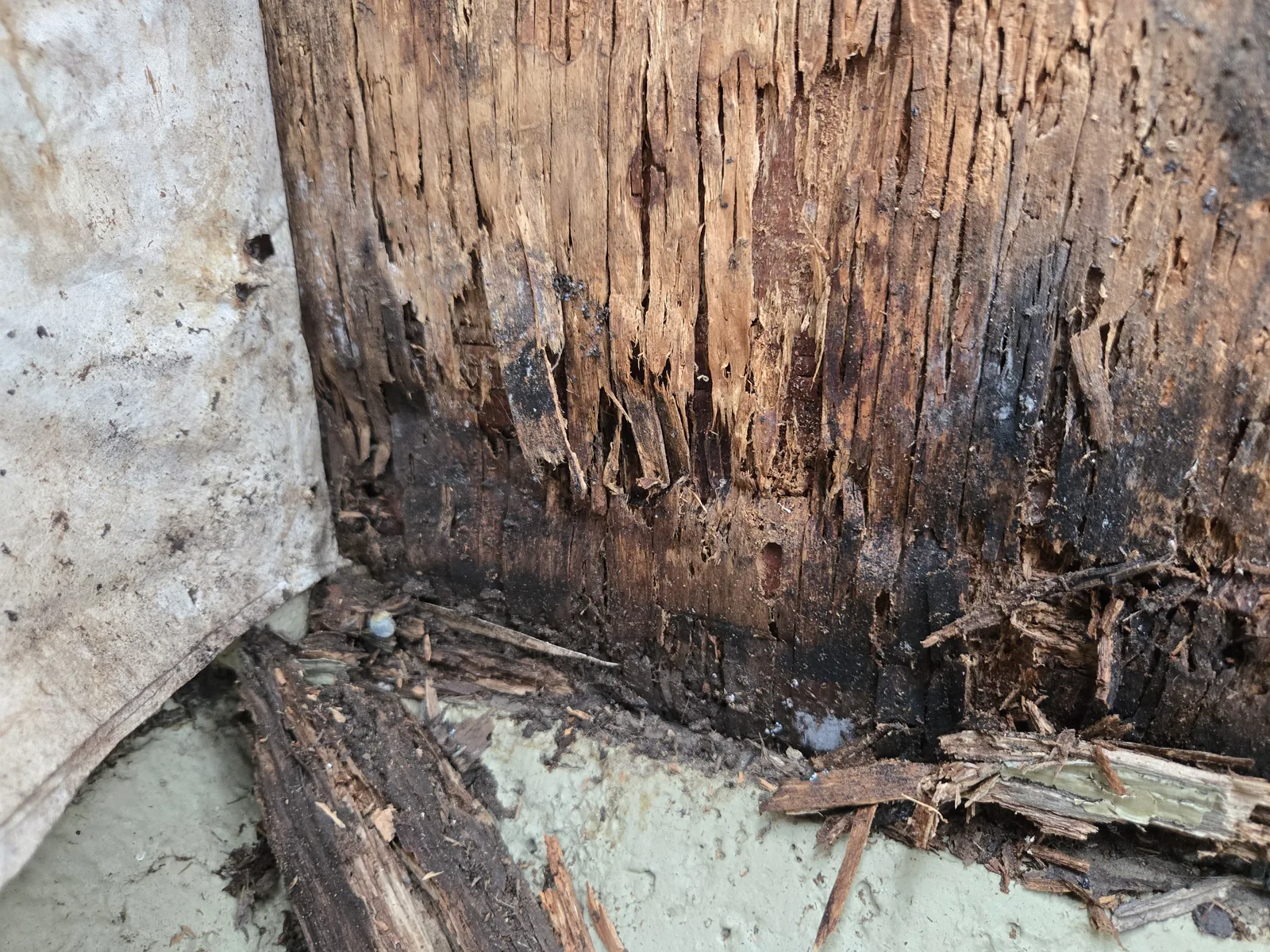
Weathered finishes can look tired without requiring every board to be replaced. Conversely, a small area of failed paint can conceal material that needs more than preparation and recoating. Ask for an assessment of the underlying condition before deciding the scope.
Describe changes you have noticed: recurring peeling, crumbling edges, gaps, or a stain that reappears. Mention whether the location is close to irrigation, an overflowing gutter, or an opening that has leaked before. The contractor can use that history to decide what needs closer examination.
Avoid covering questionable areas simply because painting is already scheduled. Discuss the concern with both the carpenter and painter so the preparation plan reflects the condition found. New paint can make a repair look complete, but it cannot substitute for necessary work on damaged wood beneath it.
Examine The Edges And Intersections
Exterior repairs often involve transitions: siding to trim, trim to a window, wood to a patio, or fascia to a roof edge. Ask how the repair will meet adjoining materials and whether the proposed work addresses the relevant water path.
At windows and doors, the Department of Energy's window flashing guidance explains the purpose of directing water out of the wall cavity. The practical question for your repair is how the opening and the surrounding exterior will work together after the damaged material is addressed.
Do not assume a larger bead of sealant is the answer to every joint. Products and assemblies have specific installation requirements and drainage details. Ask the contractor to explain the intended approach, including any areas that should remain open for their designed function.
Give Fascia And Roof-Edge Concerns The Right Access
Fascia is often difficult to evaluate closely from the ground. If you see deterioration near the roof edge, photograph it from a safe position and explain what you have observed. Leave ladder, roof, and elevated access decisions to the professionals assessing the work.
Ask whether the proposed scope involves only the fascia or also adjoining roof-edge materials, gutters, or concealed components. Different trades may need to coordinate. The estimate should identify who is responsible for each part rather than implying that replacing the visible board resolves every possible issue above it.
Access and protection can affect this work significantly. Discuss landscaping, walkways, lower roofs, and occupied entries beneath the repair area. A plan that accounts for the working location is more useful than a material quantity alone.
Decide Whether A Local Repair Can Be Completed Properly
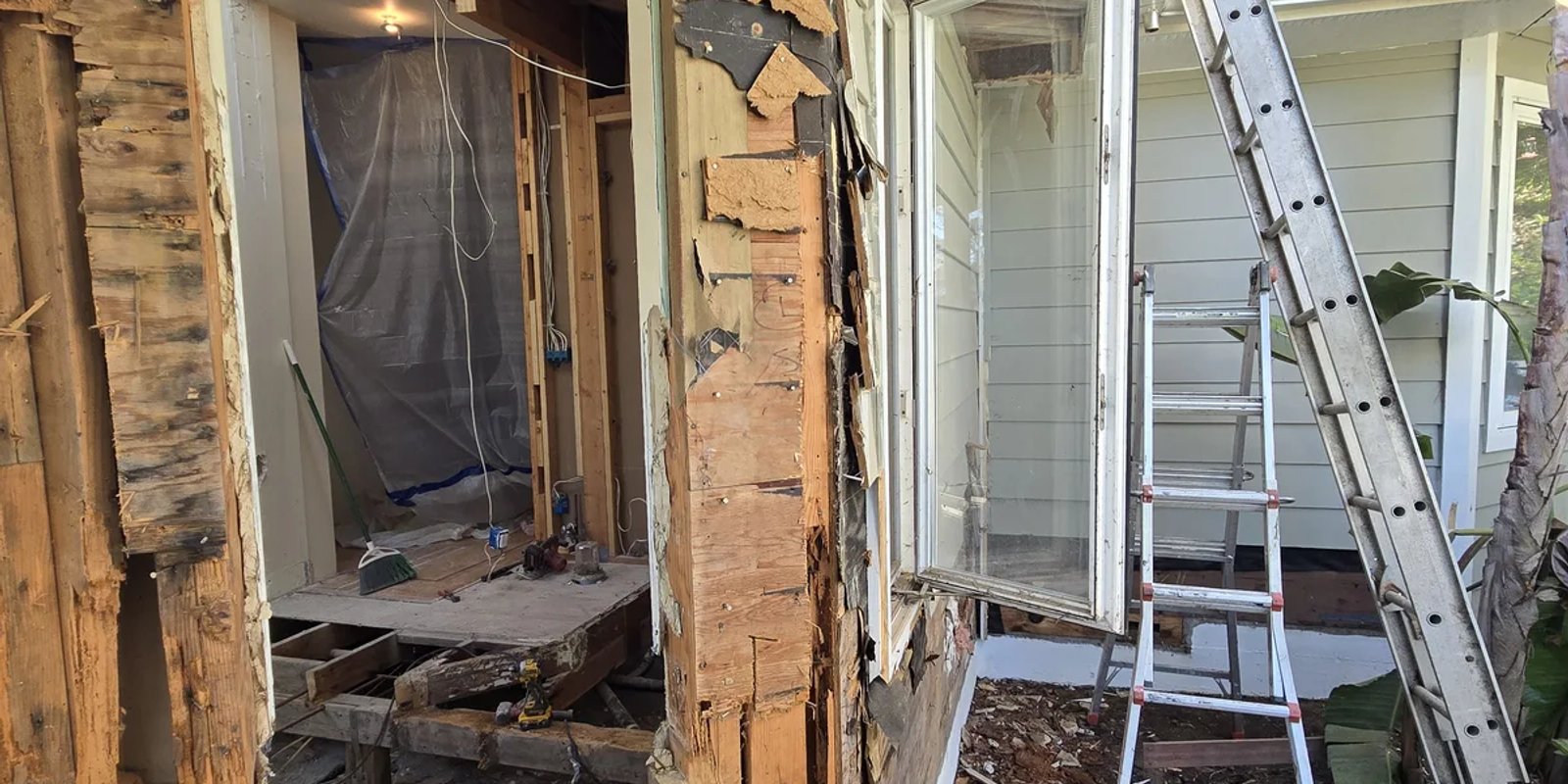
A focused replacement may make sense when the affected area is defined and the surrounding assembly can be retained. A broader scope may be needed when adjacent material is compromised or the repair cannot be integrated appropriately within a very small opening.
Ask the contractor to explain the proposed boundaries. Why does the work stop at that point? What surrounding condition has been observed? What remains concealed until approved removal begins? Those questions help you distinguish a deliberately limited repair from a cosmetic patch.
The same questions can prevent unnecessary expansion. Visible damage in one location does not automatically require replacing every similar board on the house. A useful proposal connects the recommendation to actual findings, component function, and the practical requirements of completing the repair.
Compare Replacement Materials Thoughtfully
A replacement piece should suit its location, the surrounding construction, applicable requirements, and the intended finish. Ask the contractor which material is proposed and why. If alternatives are available, compare appearance, installation details, maintenance, and compatibility rather than color alone.
Older siding and trim profiles may not match an off-the-shelf product exactly. Ask whether matching requires additional sourcing or whether a wider, deliberately planned finish change would create a more consistent result. Set the expectation before material is ordered.
For related openings, review our window and door repair guide. A new trim profile may affect the appearance of several nearby features, so discuss the whole visible area while keeping the necessary repair and optional design changes separately identified.
Define The Handoff Between Carpentry And Painting
If different professionals handle repair and paint, agree on the condition in which the repaired area will be handed over. Discuss preparation, fastener treatment, priming, sealants where appropriate, and responsibility for the final coating. Follow the requirements of the selected materials and finishes.
Clarify finish coverage. Painting a replaced board, a complete trim assembly, or a whole wall are different scopes. Weathered adjacent finishes can make a local repair visible, even when the new piece matches the original dimensions.
Ask who will check the repaired surface before painting begins and how any remaining issue will be communicated. A defined handoff reduces the chance that each contractor assumes the other included a task. It also helps the homeowner compare proposals that otherwise use the same broad phrase, “ready for paint.”
Account For Hidden Conditions In The Estimate
Some repairs need limited removal before the full condition is visible. The estimate should state what investigation is included and how additional findings will be handled. Ask for photographs and a written explanation before authorizing work beyond the agreed boundary.
A larger repair may affect labor, materials, access, and finish restoration. Our dry rot repair cost guide explains how those parts of the scope influence an estimate. Use it to compare assumptions, not just total prices.
Ask the contractor to confirm permit and inspection requirements for the property and proposed work. Repairing a supporting component and replacing a finish piece are different tasks, even if both were first noticed during an exterior paint inspection.
Coordinate Other Improvements Without Losing The Repair Focus
If you also want replacement windows, a repaired deck, or interior updates, mention those plans during the first conversation. The work may share access or affect the same materials. Planning together can help avoid disturbing a completed finish soon afterward.
Keep the essential repair scope distinct from optional improvements. Deck construction and repair may need attention where an outdoor structure meets the wall, while broader home remodeling may involve the inside face of the same opening.
Ask for a proposed sequence that shows what should happen first. You can then decide whether to combine projects or phase them while keeping each completed area properly finished and protected. Coordination is useful when it follows actual connections between the tasks.
Questions About Siding, Fascia, And Trim Repair
Can damaged trim be filled instead of replaced?
The appropriate repair depends on the material's condition, location, and function. Ask what the proposed method is intended to accomplish. A cosmetic filler should not be presented as restoring the capacity of a compromised structural component.
Should all the siding be replaced when one board is damaged?
Not automatically. The assessment should establish the condition and repair requirements around the affected area. Ask why the proposed boundary is appropriate and what further investigation, if any, is needed.
Can the repaired area match the rest of the home?
Often the goal is a close visual match, but existing profiles, weathering, and available materials affect the result. Discuss samples and the extent of finish work before approving the scope rather than assuming every repair can disappear completely.
Plan Exterior Repairs Before The Finish Work Begins
For a Windsor repair inquiry, gather photos, a location list, any previous repair information, and your painting or remodeling plans. Rising Starr Construction can help connect those observations with a practical construction scope. Defining the component, repair boundary, and finish responsibilities gives everyone a clearer path from damaged wood to a completed exterior repair.