

Before You Hire The First Contractor Nearby
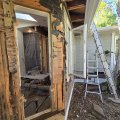
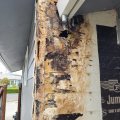
Searching “general contractor near me” is usually the first step when something around the house needs serious help. Maybe you are planning a remodel. Maybe a deck needs repair. Maybe dry rot showed up around a window, door, or exterior trim. Maybe you are thinking about an ADU or a larger home improvement project.
Location matters, but nearby is not enough by itself. The better question is: which local contractor is the right fit for this project?
At Rising Starr Construction, we serve homeowners in Windsor, Santa Rosa, and throughout Sonoma County with dry rot repair, remodeling, deck construction, ADUs, window and door replacement, and general contracting services.
Request A Free Phone Consultation
Question 1: Are They Licensed And Insured?
Start here every time. A contractor should be properly licensed and insured before working on your home.
In California, you can verify a contractor through the Contractors State License Board at www.cslb.ca.gov. This lets you confirm the license number, business name, classification, and license status.
Ask for current insurance information for the proposed work as well. If someone cannot clearly explain their license and insurance, keep looking.
Question 2: Do They Work On Homes Like Yours?
Residential construction covers a wide range of work. Some contractors focus on new construction. Some focus on commercial spaces. Some handle smaller repairs. Others specialize in remodeling and residential repair work.
If you are hiring a general contractor near you, ask whether they regularly handle your type of project:
- Dry rot repair
- Kitchen remodeling
- Bathroom remodeling
- Home remodeling
- Deck construction or deck repair
- Window and door replacement
- ADUs or additions
- Exterior repairs
Experience with similar work helps the contractor notice details that others may miss.
Question 3: Can They Explain The Scope?
A reliable contractor should be able to explain what the project includes and what is still unknown. This is especially important for remodels and repairs because existing homes can hide damage, framing issues, previous shortcuts, or outdated systems.
For example, dry rot around a window may be limited to trim, or it may extend into framing. A bathroom remodel may reveal old water damage. A deck repair may uncover structural issues below the boards.
Good contractors explain these possibilities before work begins. They do not use them to scare you, but they do help you understand what could affect the estimate.
Question 4: Are They Local Enough To Understand The Area?
A local contractor should understand the kinds of homes and conditions common in your area. In Sonoma County, that can include older framing, exterior wood exposure, seasonal moisture, deck rot, previous remodels, and homes that need careful repairs instead of quick patches.
Local knowledge can also help with scheduling, materials, service areas, and knowing when permits may be part of the process.
Question 5: What Do Reviews Actually Say?
Reviews are helpful, but do not only look at the star rating. Read what people mention.
Look for comments about:
- Communication
- Cleanliness
- Follow-through
- Work quality
- Problem solving
- Timeliness
- Honesty
- Respect for the home
One negative review does not always tell the whole story, especially if there are many strong reviews. But repeated complaints about the same issue are worth noticing.
Question 6: Is The Estimate Detailed?
A vague estimate can create problems later. Before signing, make sure you understand what is included, what is excluded, and what could change.
A useful estimate or contract should address:
- Scope of work
- Materials or allowances
- Payment schedule
- Timeline expectations
- Permit responsibilities
- Change order process
- Cleanup and disposal
- Warranty or workmanship expectations
If the estimate is only a few words and a price, ask for more detail.
Question 7: Do You Feel Comfortable Communicating?
You do not need a contractor who overwhelms you with technical language. You need someone who can explain the work clearly, answer questions, and keep communication steady throughout the project.
This matters because construction projects involve decisions. Materials may need to be selected. Hidden conditions may come up. Schedules can shift. A contractor who communicates well makes those moments easier to manage.
Turn Your Search Into A Specific Project Brief
A search result cannot see your property. Before calling, write a short description that names the location, the problem, and the outcome you want. “Windsor home with deteriorated trim beside the patio door; we want the damage assessed and the door checked” gives a contractor more useful information than “need repairs.”
Attach clear photos if the contractor requests them, including a wider view that shows where the affected area sits on the house. Mention access limitations, a recent inspection report, or an active leak. Avoid removing finishes simply to improve a photograph. The contractor can explain what assessment is appropriate.
For a larger project, separate essential work from optional improvements. You may need to resolve wood damage now and want new windows later. Stating that distinction helps the contractor discuss phasing without treating every idea as an approved part of the job.
Match The First Visit To The Type Of Work
For dry rot repair, the first conversation should address visible damage, access, moisture history, and what remains concealed. For kitchen remodeling, it should cover layout, appliance choices, cabinets, and how the room connects to the home. For a deck, condition and intended use matter alongside surface materials.
An ADU project needs a different starting point: the property, proposed unit, utility questions, and design or permit work already completed. A contractor who asks for those details is helping define the job before discussing construction.
If you have several unrelated problems, ask whether one visit can cover them or whether separate assessments make more sense. An organized list helps use the visit well and prevents the most visible issue from distracting everyone from a more important concern.
Use A Short Comparison Sheet After Each Call
Create the same headings for every contractor: relevant experience, proposed next step, information needed, estimate process, communication contact, and schedule assumptions. Record answers while they are fresh. This makes it easier to compare the conversations without relying only on who sounded most confident.
Leave room for unresolved questions. A contractor may need measurements, product selections, or additional investigation before answering. That is different from giving an evasive answer. Look for a clear explanation of how the missing information will be obtained.
Use our guide to choosing a home remodeling contractor when your search involves several rooms or trades. It walks through allowances, occupied-home logistics, and the boundaries of the work.
Confirm Service Area And Site Logistics Early
Rising Starr Construction is based in Windsor and serves Sonoma County, Marin County, and Napa County. Share the actual project address when you reach out. Travel, access, delivery arrangements, and the kind of work involved all belong in the planning conversation.
For Sonoma County homeowners, our service area overview includes local communities, and our Santa Rosa contractor page describes the services available there. A nearby mailing address does not determine which building department handles a property, so permit planning should use the actual jurisdiction.
Mention narrow access, parking restrictions, locked gates, or a home that is occupied only part of the time. These details do not make a project impossible, but the contractor needs them to organize a realistic visit and construction plan.
Ask How Decisions Will Be Recorded
A good working relationship needs a practical method for approvals. Ask who can authorize a change, how the revised scope and price will be documented, and how the schedule impact will be communicated. Decide whether the primary contact is you, another owner, or a designated representative.
After an important conversation, make sure the agreed decision appears in the project record. This is particularly helpful when a repair uncovers additional damage or a selected product becomes unavailable. Written decisions protect the plan from misunderstandings rather than making the relationship less personal.
Ask what the final walkthrough will include, too. Discuss remaining items, cleanup, product information, and applicable inspection records before the project reaches its last day.
Common Questions When Hiring Nearby
Can I get a firm quote from photographs?
Photos can help determine whether the project fits the contractor's services and what information to gather next. They rarely show every relevant condition. Ask what can be estimated from the images and what needs an on-site assessment before a firm scope is prepared.
Should I hire the contractor who can start first?
Availability is one factor. Make sure the proposed start also fits material readiness, permit needs, and your ability to make selections. A clear preparation process matters as much as the first day a crew is available.
Where can I see the company's work?
Review the Rising Starr project gallery, then ask about work similar to yours. Use it to discuss scope and finishes, and request relevant references as part of your own hiring process.
Local Does Not Mean One-Size-Fits-All
When someone searches for a general contractor near me, they are often looking for convenience. That is understandable. But the best fit is a contractor who is local, qualified, experienced with your project type, and willing to communicate clearly.
Rising Starr Construction provides general contracting services throughout Windsor, Santa Rosa, and Sonoma County. We help with remodeling, dry rot repair, decks, ADUs, window and door replacement, and residential construction projects.
If you are looking for a general contractor near you, we would be glad to talk through your project and help you decide the next step.