


A Repair Plan Should Fit The Property
Dry rot repair in Marin County starts with the affected wood, but the property around it also shapes the work. An accessible board beside a level walkway presents a different project from deterioration above stairs, beside an occupied entry, or on a wall with limited working space. A useful estimate accounts for both condition and access.
The right questions are specific: what is damaged, how will the crew reach it, what needs to be opened, and how will the repaired area connect to the rest of the home? Starting with those questions helps you avoid a proposal that prices only the visible board and leaves the rest unclear.
Rising Starr Construction is based in Windsor and serves homeowners in Sonoma, Marin, and Napa counties. Our dry rot and structural wood repair services can be coordinated with related exterior improvements when the assessment shows that the scopes belong together.
Begin With A Location-Based Repair List
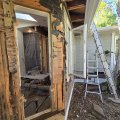
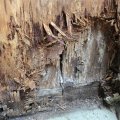
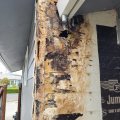
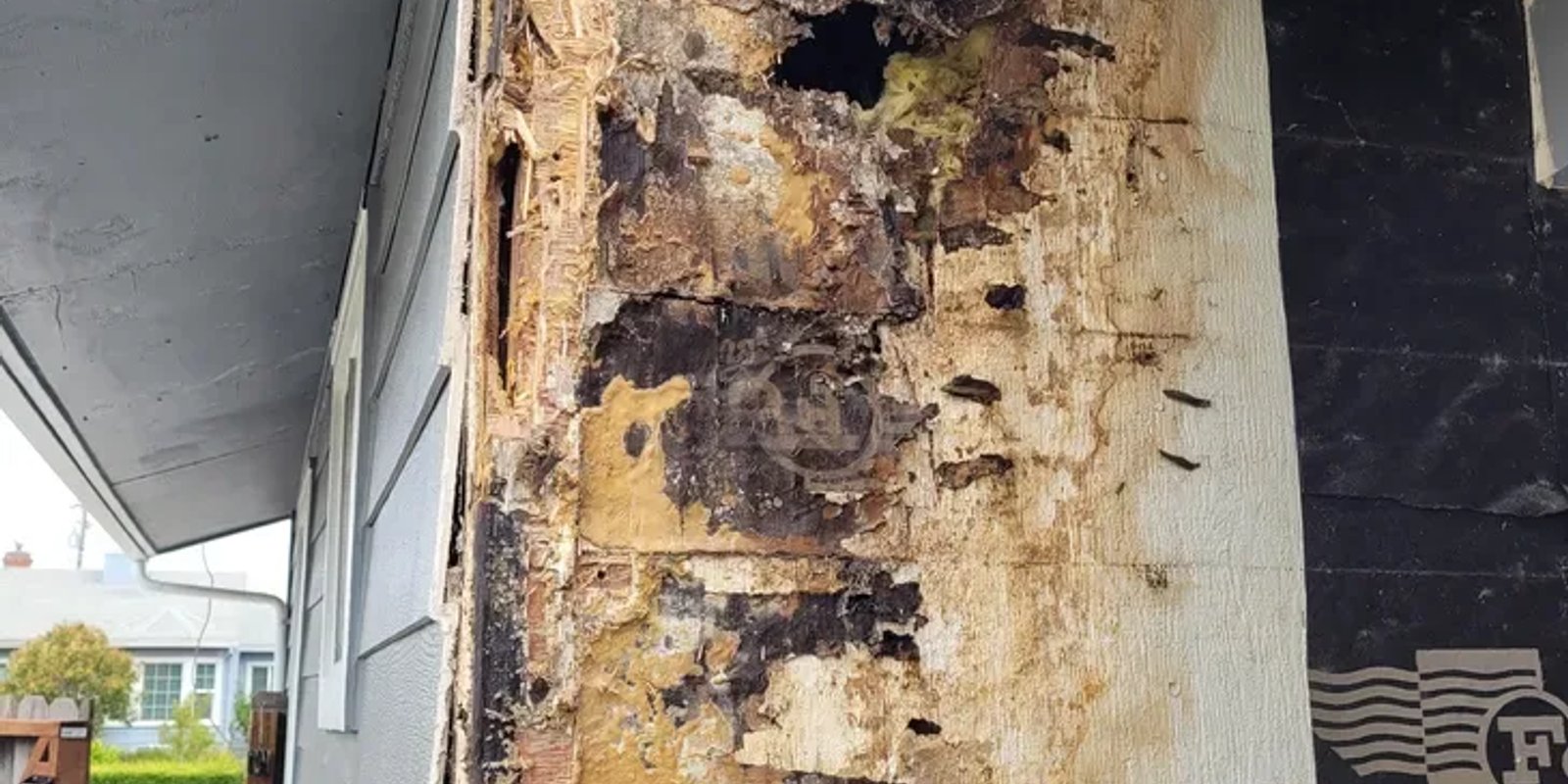
If you have concerns in several places, organize them by location rather than combining everything under “rot.” For example, list the front entry trim, the side-yard window, and the rear deck separately. Add a photograph and a short note about what changed in each area.
This approach helps the contractor plan the visit and distinguish potentially related problems from separate repairs. A stain below a window and deterioration near a stair landing may require different investigations even if both involve exterior wood.
Note whether an area affects normal use. If a railing or stair feels unstable, stop using the affected route and arrange an assessment. If a door no longer closes securely, explain that when you call. Clear descriptions help prioritize the initial conversation without assuming that appearance alone establishes urgency or repair scope.
Describe Access Before The First Visit
For a property in Novato, San Rafael, or elsewhere in Marin, share the actual address and practical access details. Mention gates, stairs, slopes, parking limits, narrow paths, and areas where tools or materials cannot be staged. These are property-specific conditions, not assumptions about every Marin home.
If a repair is above ground level, ask how the contractor expects to reach it and what must be protected below. Landscaping, paved surfaces, neighboring access, and occupied rooms may all affect the plan. The estimate should describe the access needed for the proposed work.
A wider photograph often helps more than another close-up of the damaged wood. Show the location in relation to the home, entry, and ground. Take the picture from a safe position; the contractor can decide how a closer professional assessment should be arranged.
Identify Which Building Authority Handles The Address
Marin County contains incorporated cities and unincorporated communities. The county explanation of unincorporated Marin directs residents of incorporated cities to their city government and provides a property-jurisdiction lookup for uncertain addresses.
Confirm the jurisdiction before making permit assumptions. Ask the contractor who will contact the appropriate building office and describe the proposed work. A structural repair, a change to an opening, and replacement of selected finish components may require different handling.
For county-administered properties, Marin Building and Safety provides permit and inspection information. Use those resources to support a project-specific conversation. The important step is matching the actual scope and address to the responsible authority before construction begins.
Investigate The Moisture History Without Guessing
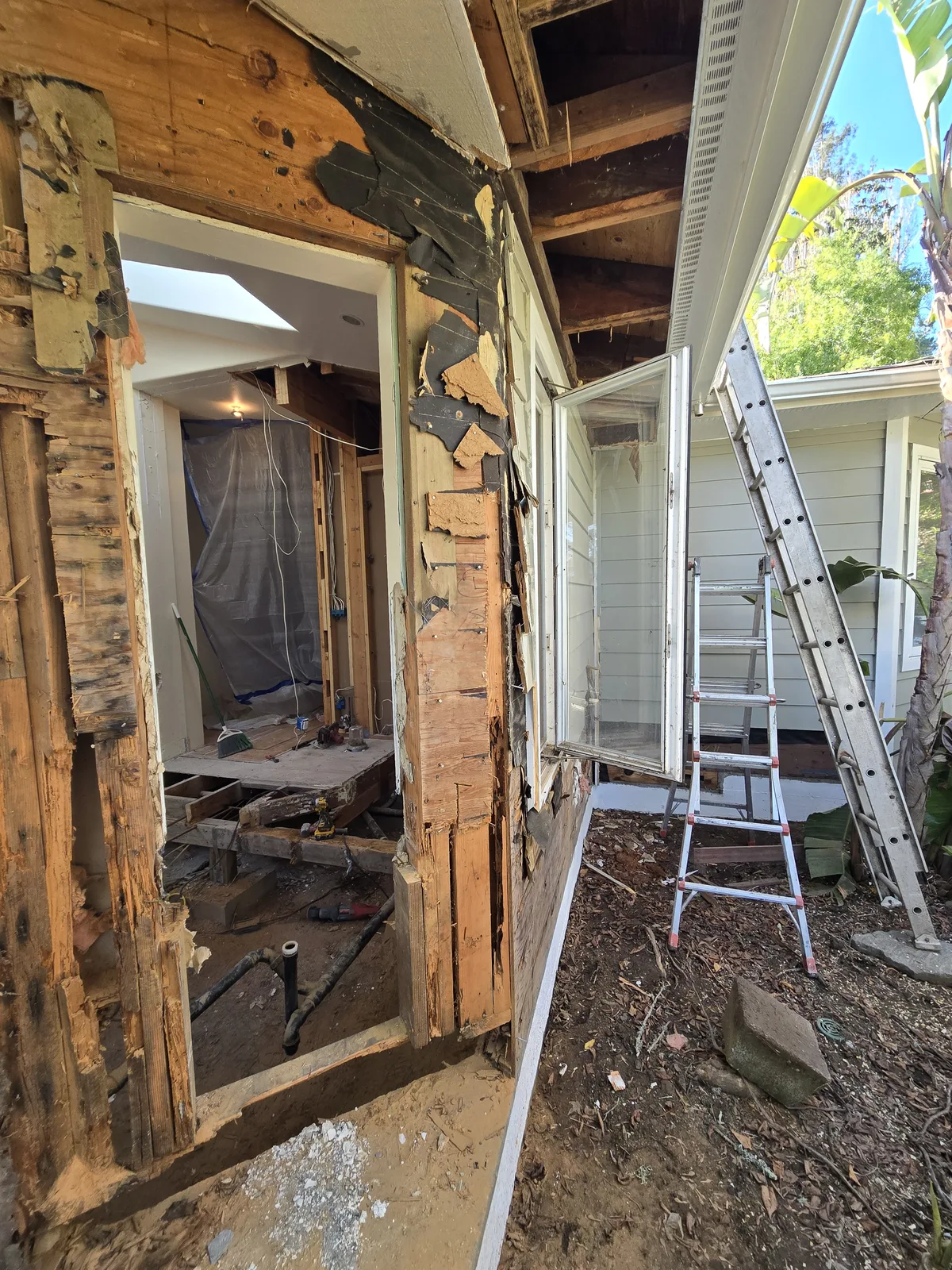
Before the visit, write down when you notice the problem. Does a mark appear after rain? Is the area regularly watered by irrigation? Has a gutter overflowed above it? Was there a prior repair that changed the appearance but not the recurring symptom?
These details are clues, not a final diagnosis. Ask the contractor what can be observed and what remains concealed. The visible damage may be near the water entry point, or the path may involve surrounding materials that need further examination.
Our guide to dry rot warning signs provides a useful observation checklist. Although written for Windsor homeowners, its discussion of visible changes can help prepare a Marin repair conversation as well. The repair recommendation still needs to come from your property's condition.
Separate Decorative Wood From Structural Components
Trim shapes the appearance of an opening. Other wood components may support loads, back the siding, or connect parts of the structure. The estimate should identify which components are involved instead of treating all exterior wood as interchangeable.
Ask what can be retained and why. If the scope includes framing, request a plain-language explanation of the proposed work and any additional professional input or approvals needed. If only a finish piece is affected, ask how the repair will connect to the existing wall without leaving unresolved adjacent damage.
This distinction also helps compare proposals. One estimate may include only exterior trim while another includes opening work and repairs behind it. A price difference is easier to understand when the component names, locations, and assumed boundaries are clear.
Protect An Occupied Home During Exterior Work
An exterior repair can still affect the way the household lives inside. Doors may be temporarily unavailable, a room may need protection, or materials may travel through an occupied area. Discuss those impacts before agreeing to the schedule.
Identify the entry the household will use, how pets will be separated from the work, and where deliveries will go. Tell the contractor if someone works from home or needs an uninterrupted route through the property. These details help the crew plan rather than improvise around daily routines.
Ask how exposed areas will be protected between work stages. Temporary weather protection, security, and coordination with required inspections belong in the work plan. If the repair touches a window or door, include product availability and installation timing in that discussion.
Coordinate Overlapping Repairs Before Restoring Finishes
Damage beside a window, below a door, or near a deck may involve more than one assembly. Ask whether window and door replacement or deck repair should be evaluated before the surrounding finish work is rebuilt.
This does not mean every concern requires a larger project. It means related work should be considered together so that one completed repair does not need to be opened again immediately. The contractor should explain which tasks are necessary now and which are optional improvements.
If you already plan interior home remodeling, share that scope too. An exterior opening repair may affect the interior trim, floor, or wall finish. Planning the order can help protect completed surfaces and make responsibilities between different parts of the job clear.
Make Finish Matching A Specific Conversation
A new board can differ from surrounding aged wood in profile, texture, and finish. Ask what can be matched, what material is available, and how broad the paint or finish area should be. The goal is a defined appearance expectation, not a vague promise that no repair will ever be visible.
Bring up details that matter to you: a repeated trim pattern, an entry feature, or alignment with adjacent siding. Ask for an example or sample when useful. If a specific profile needs additional sourcing, include that in the schedule discussion.
Clarify whether the proposal includes preparation, primer, final coating, and restoration of nearby surfaces. If another professional will handle painting, agree on where the carpenter's scope ends and what condition the surface will be left in for the next step.
Compare Estimates Using The Same Repair Boundaries
When reviewing proposals, check the location, components, access arrangements, investigation limits, related moisture corrections, and finish responsibilities. Ask each contractor to explain exclusions. An estimate can be clear without pretending every concealed condition is already known.
Agree on how additional findings will be documented and priced. Photos, a written description, and approval before expanded work make the process easier to follow. Our dry rot repair cost guide explains these estimate questions in detail without treating every repair as the same size of job.
If the work needs to be phased, ask what each phase accomplishes and whether it leaves a complete, protected result. Budget decisions should be made around defined work, not by dropping important pieces from an otherwise connected repair.
Questions About Marin County Dry Rot Repairs
Do you have to replace an entire wall if one area is damaged?
Not automatically. The appropriate boundary depends on the condition found, component function, and how the repair can be completed. Ask the contractor to explain the evidence for retaining or replacing each affected area.
Can a contractor work from an inspection report?
A report is useful background, especially when it identifies locations and photographs. The contractor may still need to visit, clarify the construction scope, and coordinate with the report's author where formal reinspection is involved.
Does Rising Starr serve Marin from Windsor?
Yes. Rising Starr Construction is based in Windsor and serves Marin County along with Sonoma and Napa counties. Provide the address and project details when requesting a conversation about the work.
Prepare A Clear Request For Your Marin Property
Gather the repair list, photographs, prior reports, access information, and your preferred timing. Note whether you want a focused repair or are also considering replacement windows, deck work, or remodeling. Rising Starr Construction can help organize those priorities into a practical next step for the construction scope.