


Start With Condition Before Choosing New Deck Boards
A deck with worn boards may need a surface update. A deck with deteriorated framing, loose connections, or damaged stairs needs a closer assessment before anyone selects the new finish. The difference matters because a fresh walking surface can conceal problems that remain underneath.
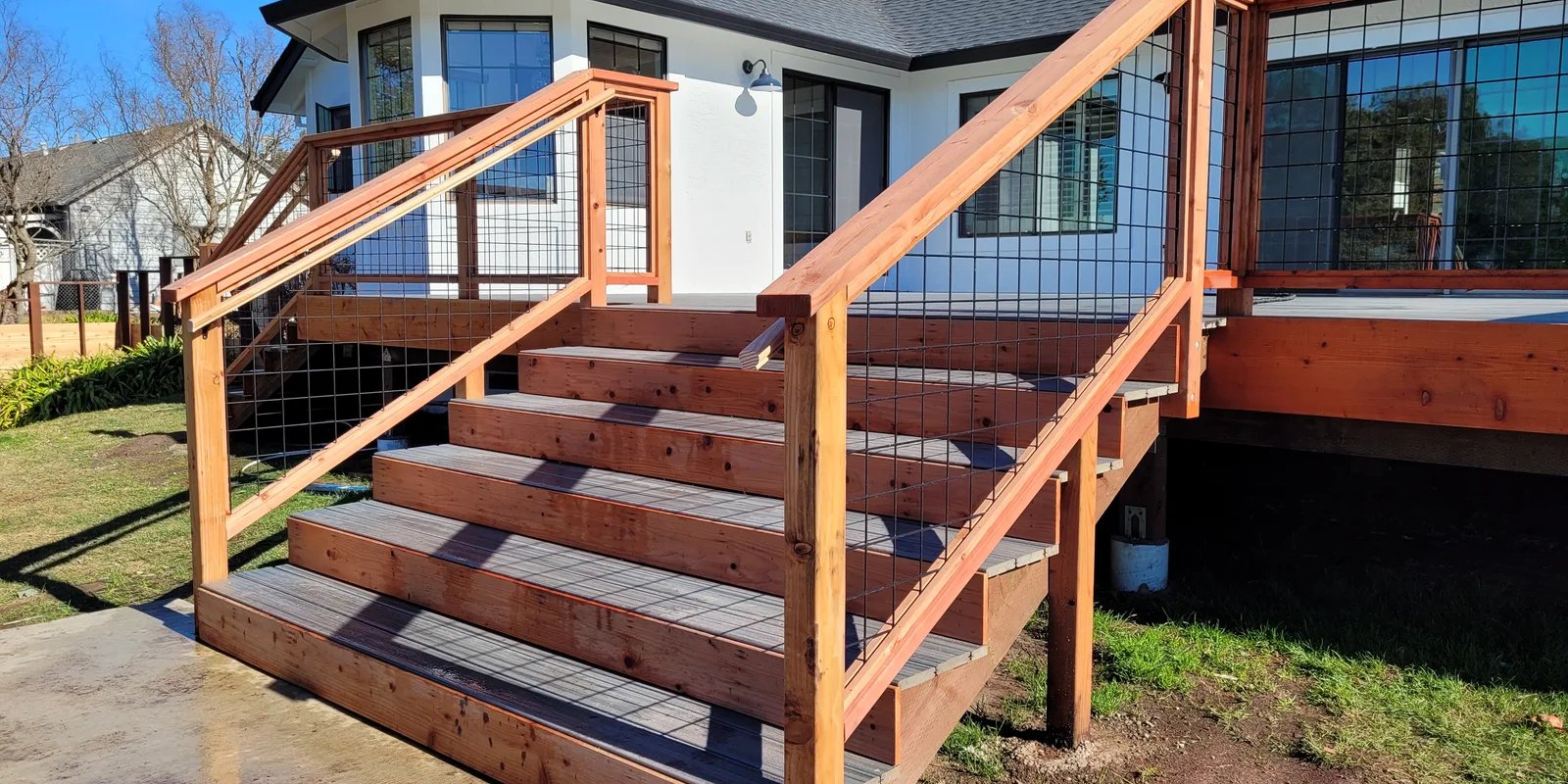
For Windsor homeowners deciding between deck repair and a rebuild, the most useful first step is to identify which components are suitable to retain. The visible boards, supports, railings, stairs, and connection to the house should be considered together. A repair should have a clear reason for its boundaries.
Rising Starr Construction handles deck construction and repair along with dry rot and structural wood repair. We serve Windsor and Sonoma County, with projects also considered throughout Marin and Napa counties. Here is how to approach a deck repair conversation without jumping straight to either the smallest patch or a complete replacement.
Recognize When The Deck Needs An Assessment
Pay attention to movement during ordinary use, visible deterioration, loose railing sections, damaged stair components, or boards that no longer feel sound. Water staining and finish failure can be useful clues, but they do not establish the full condition of the structure.
If the deck, railing, or stairs feel unstable, keep people off the affected area and arrange an assessment. Do not bounce on boards, load the deck to test it, or crawl beneath a questionable structure. Photographs taken from safe, accessible positions are enough to begin the conversation.
Tell the contractor when you noticed the change and whether the area has been repaired before. A recurring problem in the same location deserves a discussion about why it returned. The history can help direct the assessment without replacing the need to look at the actual components.
Separate The Surface From The Support System
Deck boards are the surface you see most often, but they rely on the structure below. Joists, beams, posts, connections, and other supporting elements have different roles. The stairs and railings introduce additional details that should not be treated as decorative extras.
Ask the contractor to identify the components involved in the proposed work. If the estimate retains the framing, what condition assessment supports that decision? If some framing cannot be accessed initially, how will it be evaluated before the new surface goes on?
A useful explanation does not require you to design the structure. It should help you understand what is being kept, what is being replaced, and why. This makes it easier to compare a resurfacing proposal with a structural repair or rebuild, which may otherwise look similar in a short estimate.
Give The House Connection Its Own Attention
Where a deck meets the house, the repair can involve both the outdoor structure and the exterior wall. Ask how the contractor will assess the accessible connection and any signs of damage nearby. A problem in this area should not be assumed to stop at the deck boards.
A door threshold, adjoining trim, siding, or concealed wall material may be part of the same investigation. If the opening is also deteriorated, coordinate window and door repairs before choosing a finish-only deck scope.
Ask the contractor to describe the proposed water-management details and what remains concealed until approved work begins. The goal is a repair that fits the entire assembly. Covering a damaged connection with new boards may improve the appearance while making the unresolved area harder to assess later.
When A Focused Repair May Make Sense
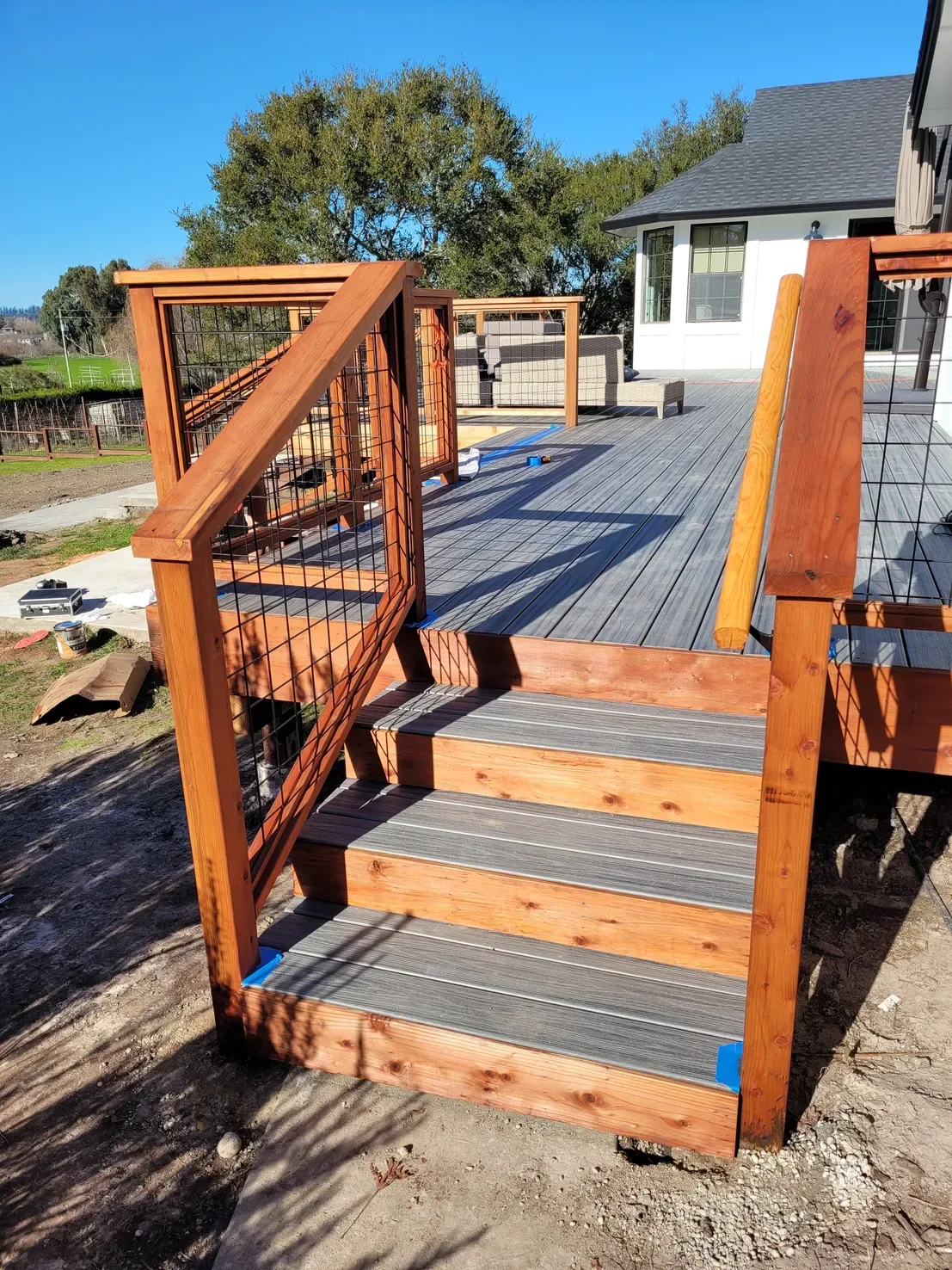
A limited repair may be reasonable when the affected area is defined, surrounding components are suitable to retain, and the required work can be completed properly without rebuilding the whole deck. That conclusion should come from assessment, not simply the desire to minimize the first invoice.
Ask how the replacement will connect to retained materials and whether the repair addresses the reason the damage occurred. Clarify the finish difference between new and weathered components. A small repair may remain visible even when the workmanship is appropriate.
Also ask whether retained components are likely to interfere with the selected new materials or intended use. A limited scope should be described honestly: what it fixes, what it leaves in place, and what the homeowner should continue to maintain. It should not be presented as a completely new deck.
When A Broader Rebuild Deserves Consideration
A rebuild may be worth evaluating when deterioration affects multiple areas, the structure needs substantial correction, or the existing layout no longer serves the household. Repeated local repairs can also justify looking at the entire deck before spending more on another isolated section.
A broader proposal should explain the specific reasons for replacement. Ask which conditions make retaining the existing assembly impractical or inappropriate. Then compare the repair and rebuild options with their respective assumptions, rather than expecting one to provide the benefits of the other.
If you want larger seating areas, different stairs, or a changed relationship to the yard, include those goals early. A structural repair and a redesigned outdoor living space are different scopes. Separating necessary work from optional improvements helps you make a deliberate choice about both.
Choose Materials After The Structural Plan
Once the intended scope is clear, compare decking, railing, and finish options. Ask how each product works with the proposed structure, what installation requirements apply, and what maintenance the manufacturer recommends. New surface products should not be selected on the assumption that every existing arrangement is suitable.
Think about everyday use. Does the deck connect to a kitchen, carry outdoor dining furniture, or provide the main route to the yard? Consider cleaning, exposed edges, stairs, and how the materials will look beside the house. Samples can be more useful than a color shown on a screen.
Our guide to choosing a Sonoma County deck builder covers product specifications and estimate comparisons in more detail. Bring those questions to the planning visit so material decisions support the repair instead of driving it prematurely.
Set Clear Expectations For Concealed Damage
Some deck components are easier to evaluate after selected materials are removed. The estimate should explain any limits on the initial assessment and how opening work will proceed. Ask what documentation you will receive if the proposed boundary needs to expand.
Agree on the authorization process for additional repairs, including price and schedule changes. If the project uncovers damage to the adjacent home, ask whether that work can be completed within the same contract or needs a separately defined scope.
Our dry rot repair cost guide explains why the visible size of damage is only one part of an estimate. Access, demolition, structural work, and finish restoration can all shape the final proposal. Clear assumptions make the number more meaningful.
Plan Permits, Access, And Household Use
Ask the contractor to confirm the requirements for the property's jurisdiction and the proposed work. A change to the structure, stairs, or overall layout can be different from selected surface repairs. If the scope changes after assessment, any affected approval requirements should be reviewed as well.
Access matters during construction. Discuss where deliveries and removed materials will go, how the crew reaches the work, and which entrance the household will use. If the deck connects to an important door, agree on a practical alternative before demolition starts.
Mention pets, children, garden areas, and equipment that must remain accessible. These details help the contractor plan site protection and staging. They belong in the conversation before the schedule is settled, particularly when the deck occupies most of a compact backyard.
Keep A Record Of The Completed Repair
At the final walkthrough, compare the work with the agreed scope and document any remaining items. Ask for relevant product information, maintenance instructions, and applicable inspection records. Keep photographs of repairs that will no longer be visible once the job is finished.
A record of what was retained is useful too. It distinguishes the new work from older parts of the deck and helps you plan future maintenance. Ask which areas deserve periodic attention and how to use the selected finish products according to their instructions.
If you are planning additional home improvements, keep the deck repair documents with the rest of the property's records. Clear information can help a future contractor understand the work without guessing from the surface appearance.
Questions About Deck Dry Rot
Can composite boards solve rot in the existing framing?
Changing the surface material does not repair deteriorated supporting wood. The retained structure needs to be evaluated and any required repairs completed before a new surface is installed.
Is an older deck automatically due for replacement?
Age alone does not define the scope. Condition, construction details, maintenance history, intended use, and the feasibility of repair all matter. Ask the contractor to explain the recommendation using the actual findings.
Can I use the deck while waiting for an estimate?
If you have noticed instability or questionable structural components, keep people off the affected deck and ask for an assessment. Do not rely on the appearance of the boards to establish that the assembly is safe.
Discuss Your Windsor Deck With Rising Starr Construction
Bring photographs, the property address, previous repair information, and a short description of how you use the space. Explain whether your priority is correcting damage, changing the layout, or both. Rising Starr Construction can help define the next step and prepare a scope that connects the condition of the deck with your goals for the home.