

The Short Answer? It Depends
Building a deck is a fantastic way to enhance your outdoor living space, boost your home’s value, and create a spot for relaxation or entertaining. But one of the first questions homeowners ask is, “How much will it cost?”
Fair question. The answer depends on several factors, including size, materials, labor, site conditions, and custom features.
In this guide, we’ll break down the costs of building a deck so you can plan your project with confidence.
Average Deck Costs in 2025
In the North Bay, deck costs typically range from $75 to $125 per square foot. However, prices can vary widely based on your location, design preferences, and material choices.
Here’s a quick overview:
- Basic deck: $75–$90 per square foot for a simple design with redwood decking and baluster railing
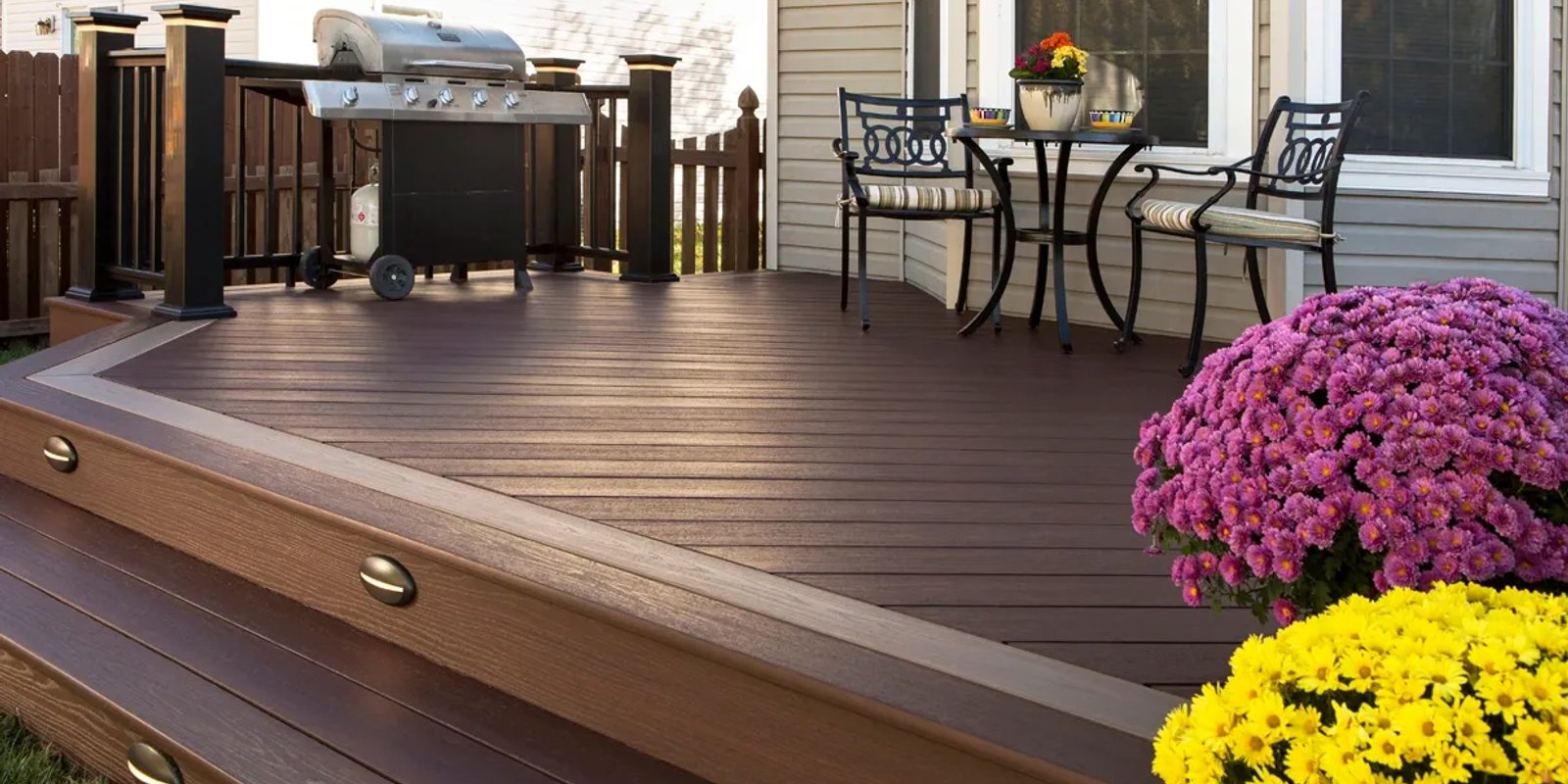
- Mid-range deck: $90–$125 per square foot for composite materials and moderate customization
- High-end deck: $125+ per square foot for premium materials and custom features like pergolas, built-in seating, lighting, or other upgrades
Key Factors That Affect Deck Costs
Several elements influence the final price of your deck. Understanding these can help you budget effectively.
1. Deck Size
The size of your deck is one of the biggest cost drivers, which is why deck pricing is often estimated by the square foot.
The larger the deck, the more materials, framing, labor, fasteners, railing, and finish work are required. As the square footage increases, the overall project cost increases with it.
2. Material Choices
The type of decking material you choose can significantly impact the cost, appearance, durability, and maintenance requirements.
Con heart sanded redwood: This is typically more affordable, widely available, and common in the North Bay. It does require regular maintenance over time.
Composite decking: Composite materials are more expensive to purchase and install, but they usually require much less maintenance over the life of the deck.
Hardwoods, such as teak or ipe: These are some of the most expensive decking materials, but they provide a truly premium finished product. They look beautiful and are incredibly durable, but they still require some maintenance over time.
3. Labor Costs
Labor typically accounts for a large portion of the project cost. Depending on the design of your deck, the materials you choose, and the features included, the labor required can vary significantly.
Why does it cost more to install different materials? Here are a few examples.
Installing redwood: Redwood is usually screwed down from the top of the deck boards. This is a relatively simple process, and the fabrication is fairly forgiving because imperfections can often be sanded.
Installing composite: Many composite decking products use a hidden fastener system. This looks great because you do not see screw heads from the top, but it can take more time to install depending on the system required by the product.
Installing ipe or hardwoods: Similar to composite decking, many clients choose a hidden clip system to preserve the clean look of the finished product. However, hardwoods can also be installed with screws from the top. If screws are used, every single screw hole must be pre-drilled before installing the fastener. This process uses a lot of drill bits and takes more time. Because hardwoods like ipe are very dense, they can also wear through saw blades more quickly.
4. Design and Features
Custom features can elevate both the functionality and price of your deck.
Common upgrades include:
- Multi-level deck layouts
- Built-in seating or planters
- Pergolas or shade structures
- Deck lighting
- Fire pits or outdoor kitchens
- Structural support for a hot tub
The more detailed the design, the more time, materials, and coordination the project will require.
5. Permits and Site Preparation
Most areas require permits for new deck construction. If we are simply “re-decking,” meaning replacing only the finished decking material, a permit is not always required.
Site preparation may include removing an existing deck, grading dirt, improving access, or preparing the foundation area. Depending on your location and property conditions, this can be simple or complicated.
Other Conditions to Consider
Beyond the obvious expenses, there are other conditions that can affect the final price of your deck.
Location of the Property
Let’s say we are building the same exact deck for two different clients. We’ll call them Bob and Sarah.
Bob lives on the east side of Petaluma. His property is flat, he has plenty of parking in front of the house, and he has a large side gate leading directly to the backyard where the deck is being built.
Sarah, on the other hand, lives in Mill Valley. She has a small driveway with no available street parking, plus 50 steps leading down to the back of her house, which sits on a hill.
In this scenario, Sarah’s deck could cost significantly more than Bob’s, even if both decks are the same size. That is because we may not be able to bring in a trailer, deliver materials in bulk, or use wheelbarrows easily. It would simply take much longer to accomplish the same work.
Jobsite Terrain
The exact location where the deck is being built can also impact the price.
Is the deck going to sit 18 inches off the ground on a perfectly flat surface? Or does the property sit on a hillside?
Generally speaking, it is much easier to build on a flat surface. The more extreme the terrain is at the jobsite, the more costly it will be to complete the project.
How to Save on Deck Costs
Building a beautiful deck does not always have to break the bank. Here are a few ways to keep costs down.
Choose cost-effective materials: Con heart redwood is one of the most common options. It is easier to work with, widely available, and generally more affordable than premium hardwood or composite materials.
Simplify the design: Stick to a straightforward layout and avoid changing angles too much. A square or rectangular design is usually the simplest and most cost-effective. There are almost always ways to compromise slightly on design details in order to save a meaningful amount on the final cost.
Ready to Start Planning Your Dream Deck?
A new deck can transform the way you use your outdoor space, whether you want a quiet place to relax, a better area for entertaining, or a beautiful upgrade to your home.
Ready to start planning your dream deck? Reach out to Rising Starr Construction today for expert advice. Let’s bring your outdoor oasis to life.