



Introduction
As a licensed general contractor in California, I’m often asked, “How long does a typical home remodel take in 2025?”
Home remodeling projects are an exciting way to enhance your living space, boost property value, or modernize your home, but timelines can vary widely. I will break down the typical duration of home remodels in 2025, explore factors that affect timelines, and provide actionable tips to keep your project on track.
Whether you’re planning a kitchen renovation, bathroom upgrade, or whole-home overhaul in California or beyond, this guide has you covered.
What Is a Home Remodel?
A home remodel involves updating, altering, or expanding a residential property to improve functionality, aesthetics, or value. Remodels can range from minor cosmetic updates, such as painting or flooring, to major structural changes, such as room additions or layout reconfigurations.
In 2025, homeowners are prioritizing energy-efficient upgrades, smart home technology, and open-concept designs, driven by California’s housing trends and sustainability goals.
Average Home Remodel Timelines in 2025
The duration of a home remodel depends on the project’s scope, complexity, and external factors like permitting or material availability. Below are average timelines for common remodel types in 2025, based on industry standards and my experience as a California contractor:
- Minor cosmetic remodel, such as painting, flooring, or lighting: 1–2 weeks
- Single-room remodel: 1–2 weeks
- Kitchen remodel: 6–10 weeks
- Bathroom remodel: 4–8 weeks
- Bedroom or living room update: 2–4 weeks
- Whole-home remodel with multiple rooms or structural changes: 3–6 months
- Room addition or ADU, such as a new bedroom or sunroom: 4–8 months
These timelines assume a well-planned project with minimal delays. Let’s dive into the factors that influence how long your remodel will take.
Key Factors Affecting Home Remodel Timelines
Several variables can shorten or extend your remodel timeline. Understanding these will help you set realistic expectations and plan effectively.
1. Project Scope and Complexity
The size and complexity of your remodel is one of the biggest factors affecting the timeline.
Minor projects: Cosmetic updates like painting, installing new fixtures, or replacing countertops can take 1–2 weeks because they usually require less labor and no structural changes.
Moderate projects: Single-room remodels, such as kitchens or bathrooms, often involve plumbing, electrical work, cabinets, tile, and custom finishes. These projects can take 4–12 weeks.
Major projects: Whole-home remodels or additions often involve structural changes, extensive permitting, and coordination of multiple trades. These projects can take 4–8 months.
2. Permitting and Approvals
In California, most remodels, especially those involving structural, electrical, or plumbing changes, require permits. Permitting can take 1–4 months or more, depending on the city and project complexity.
Sonoma and Marin cities: Cities such as Sausalito, Novato, Santa Rosa, and Petaluma may take 4–8 weeks for even basic permits due to strict regulations. New construction or ADUs can take much longer.
County jurisdictions: Permitting can sometimes be a little easier when your residence is under county jurisdiction and not inside city limits. Generally speaking, basic permits for simple remodels, decks, roofing, and similar projects may move a little quicker.
3. Design and Planning Phase
The pre-construction phase, including design, material selection, and contractor hiring, can typically take 2–8 weeks. Custom designs or architectural plans for structural changes may extend this phase to 2–4 months.
Using pre-designed plans or working with an experienced contractor can help shorten this part of the process.
4. Material Availability
In 2025, supply chain issues have stabilized, but custom or imported materials, such as European tiles or specialty appliances, can still face delays of 2–8 weeks or more.
Stock or locally sourced materials can reduce wait times. Ordering materials early helps ensure they are ready when construction begins.
5. Contractor Availability and Labor
A reputable contractor’s schedule can impact your timeline. In high-demand areas like Sonoma County or Marin County, top contractors may be booked 1–3 months in advance.
Labor shortages, though less severe in 2025, can still add 1–4 weeks to complex projects if specialized trades, such as electricians or plumbers, are in short supply.
6. Unexpected Issues
Older homes often reveal surprises like outdated wiring, plumbing leaks, dry rot, or structural damage. These discoveries can add time to the project.
A thorough pre-construction inspection can help minimize these risks. Budgeting 10–15% extra time and money for contingencies is a smart move.
7. Weather and Site Conditions
In California, weather is rarely a major issue, but heavy rain can significantly delay outdoor work such as room additions, foundation pouring, and exterior construction.
Sometimes the delay may only be 1–2 weeks. However, we once experienced a four-month delay while pouring a foundation because a large rainstorm saturated the soil and did not let up for months.
Difficult site access or sloped lots can also slow progress.
Tips to Keep Your 2025 Remodel on Schedule
A well-managed remodel starts with preparation. Here are a few ways to keep your project moving:
- Plan early and start designing 3–6 months before your target start date
- Hire contractors before your desired start window
- Secure permits promptly by submitting complete plans
- Order materials in advance and confirm delivery dates
- Hire a licensed, reputable contractor with a proven track record
- Build in 10–15% extra time for unexpected delays
- Communicate regularly with your contractor to address issues quickly
Why Remodel Your Home in 2025?
A home remodel in 2025 is a strategic investment. Benefits can include:
Increased property value: Kitchen and bathroom remodels can help increase home value and buyer appeal.
Energy efficiency: Upgrades like insulation, efficient windows, solar, and modern systems can support California’s sustainability goals.
Enhanced comfort: Modern layouts, better storage, and smart home features can improve daily living.
Market appeal: Updated homes often stand out more in California’s competitive real estate market.
Ready to Start Your 2025 Home Remodel?
A typical home remodel in 2025 can take anywhere from 1–8 months, depending on the scope, permitting, materials, and unforeseen challenges.
By planning carefully, hiring a trusted contractor, and anticipating delays, you can achieve your dream home on time and within budget.
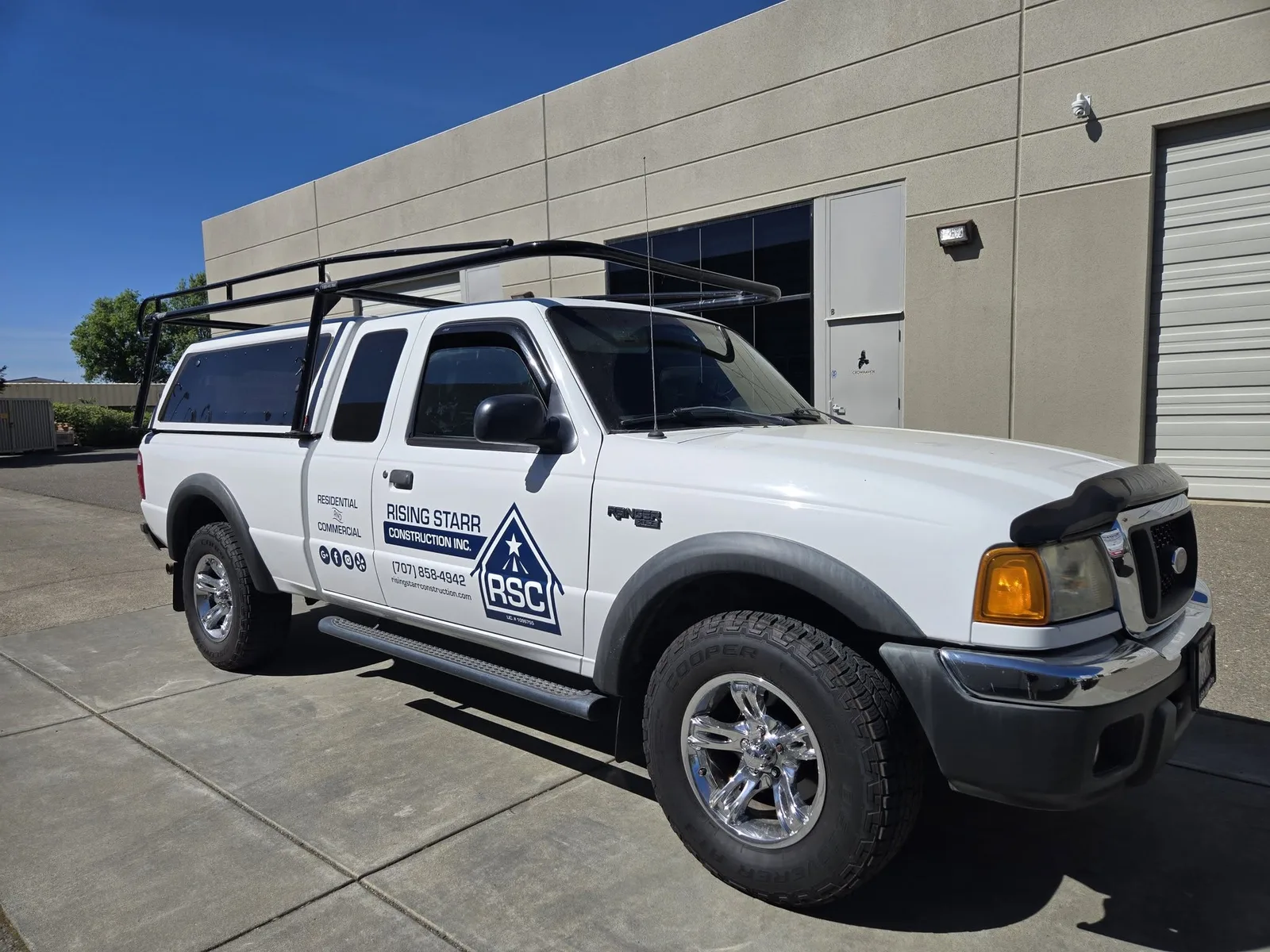
Contact Rising Starr Construction to kick off your project today.