

Bathroom Remodeling Is About More Than Finishes
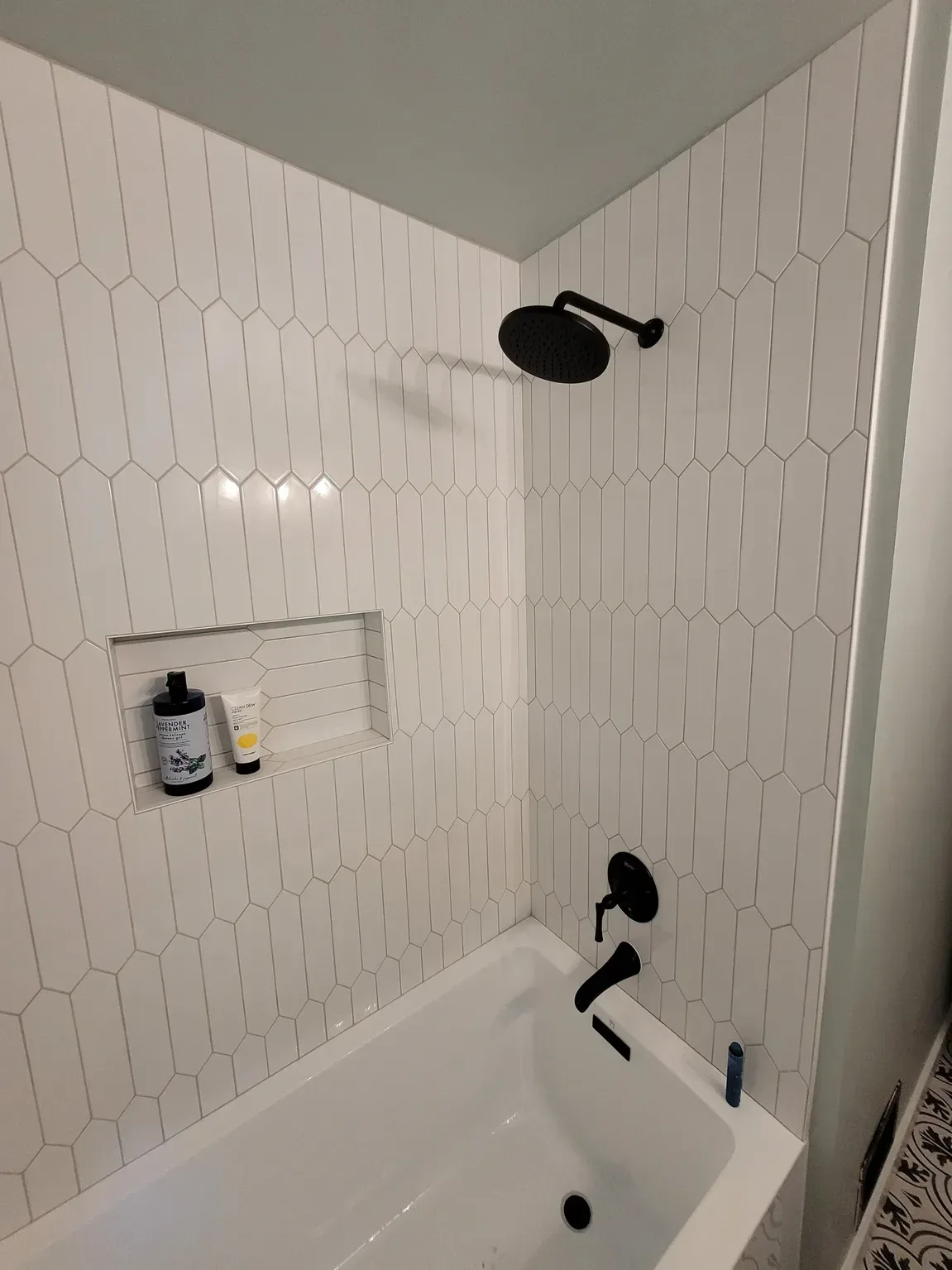
A bathroom remodel can make a home feel cleaner, brighter, and more comfortable. New tile, a better vanity, improved lighting, and updated fixtures can completely change the space.
But bathroom remodeling is not just cosmetic. Bathrooms deal with water, steam, ventilation, plumbing, waterproofing, electrical, framing, and tight layout decisions. If the work behind the walls is not done correctly, even a nice-looking bathroom can create problems later.
At Rising Starr Construction, we help homeowners in Windsor and throughout Sonoma County remodel bathrooms with practical planning and careful construction.
Talk About Your Bathroom Remodel
Decide What Problem You Are Solving
Before choosing tile or fixtures, think about why you want to remodel the bathroom.
Common reasons include:
- The bathroom feels dated
- The shower or tub is hard to use
- Storage is poor
- Ventilation is not working well
- The layout feels cramped
- Water damage or dry rot is visible
- Fixtures are worn out
- The home needs better resale appeal
Your reason for remodeling will shape the scope. A hall bathroom refresh may be simple. A primary bathroom rebuild with a custom shower, tile, plumbing changes, and new layout requires more planning.
Layout Changes Can Affect The Budget
Moving a toilet, shower, tub, or vanity can improve the space, but it usually adds labor and coordination. Plumbing locations, framing, floor structure, ventilation, and electrical all matter.
Sometimes keeping the same layout is the smartest choice. Other times, changing the layout is what makes the bathroom truly functional.
The important thing is to decide early whether the project is a same-layout remodel or a layout-change remodel. Those are very different scopes.
Waterproofing Matters
Waterproofing is one of the most important parts of bathroom remodeling. Tile and grout are not enough by themselves. Shower areas need proper waterproofing systems behind the finished surfaces.
This is where hiring an experienced contractor matters. A bathroom can look finished on the outside while hiding shortcuts underneath. Those shortcuts may not show up right away, but they can lead to leaks, damaged framing, mold concerns, or expensive repairs later.
Ask your contractor how they handle waterproofing, shower pans, backer materials, transitions, and areas where water is most likely to collect.
Do Not Ignore Ventilation
Good ventilation helps manage moisture. Without it, bathrooms can develop peeling paint, mildew, condensation, and long-term damage around trim, ceilings, walls, and windows.
During a bathroom remodel, it is worth checking whether the fan is properly sized, properly vented, and actually moving air outside. This is especially important in older homes where fans may be weak, noisy, or vented incorrectly.
Ventilation is not the most exciting design choice, but it protects the remodel after the work is done.
Choose Fixtures Before Work Begins
Bathroom remodels move more smoothly when key fixtures are chosen early. Delayed selections can slow the schedule or force rushed decisions.
Try to decide on:
- Vanity size and style
- Sink and faucet
- Shower valve and trim
- Tub or shower system
- Toilet
- Tile
- Lighting
- Mirror or medicine cabinet
- Towel bars and accessories
- Flooring
Some fixtures affect plumbing and framing, so your contractor needs that information before certain work begins.
Plan For Hidden Damage
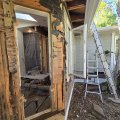
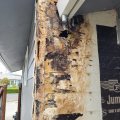
Bathrooms often hide water damage. Once demolition starts, it is possible to find damaged subfloor, wall framing, old leaks, dry rot, or previous repairs that were not visible from the surface.
This does not mean every bathroom remodel will uncover a major problem. It simply means your contract and budget should allow for the possibility. A reliable contractor will explain how unexpected repairs are documented and priced before moving forward.
Balance Style With Maintenance
A bathroom should look good, but it should also be easy to clean and live with. Large-format tile, simple shower glass, durable countertops, quality fixtures, and thoughtful storage can make a big difference over time.
Before choosing a design, ask:
- Will this be easy to clean?
- Is the grout area manageable?
- Does the vanity provide enough storage?
- Will the lighting work for daily routines?
- Are the finishes durable enough for the household?
Good remodeling is a balance between beauty and function.
Questions To Ask A Bathroom Remodeling Contractor
Before hiring a contractor, ask:
- Are you licensed and insured?
- Have you remodeled bathrooms similar to this one?
- How do you handle waterproofing?
- What happens if hidden water damage is found?
- What fixture selections do we need before work begins?
- Will permits be needed?
- How long will the bathroom be out of service?
The answers should help you understand the work, not just the price.
Make A Bathroom Plan Around The Person Using It
A primary bathroom, a children's bathroom, and a guest bathroom have different jobs. Before choosing a layout, describe who uses the room and what makes the current space difficult. A bathtub may be important to one household while another would benefit more from an easier shower entrance or additional storage.
If future accessibility is a goal, discuss it before framing and fixture selection. Door movement, room to approach the shower, control locations, and planned support for grab bars can affect the design. A low threshold alone does not make the whole room accessible. Review the intended use with the contractor and any design professional involved.
Drawers, outlets, towel storage, and mirror height should follow the same approach. These modest decisions often make a larger difference to daily comfort than the most expensive decorative finish.
Coordinate Shower Components As One System
Ask the contractor to explain how the shower base, wall materials, drain, corners, niches, and transitions work together. Mixing products without confirming compatibility can create an unclear responsibility when something goes wrong. The selected system's instructions should guide the assembly and any required testing.
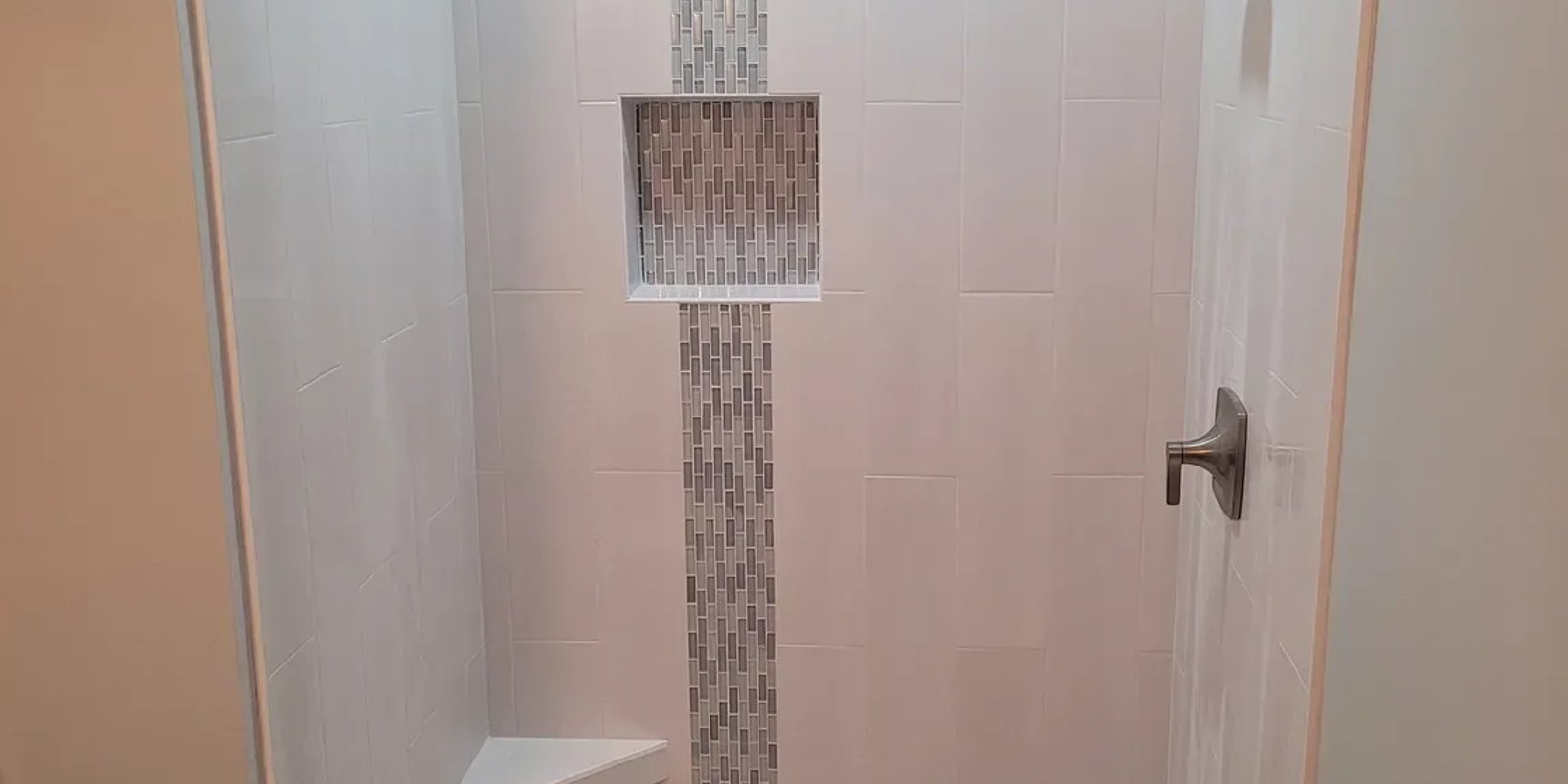
A shower niche or built-in bench adds more than a tile detail. It introduces intersections that need to be planned before installation. Decide where these features belong and whether they conflict with plumbing, framing, or the intended glass enclosure. Ask how they will be checked before tile covers the underlying work.
Discuss the inspection sequence before setting a completion date. Windsor's building inspection guidance explains that required inspections depend on project scope and generally occur before work is concealed. Your contractor should confirm which checkpoints apply to your bathroom.
Know What Happens If The Floor Is Damaged
A soft area near the toilet or shower does not tell you the full repair scope. Finish flooring, subfloor, and structural framing are different components. Your estimate should explain what can be evaluated before demolition and how additional findings will be documented.
For example, replacing tile on a damaged subfloor is a different job from rebuilding affected framing beneath it. Ask where the proposed repair begins and ends, what surrounding finishes must be removed, and when the area will be ready for the next trade. Coordinate dry rot repair before rebuilding the finished bathroom.
Photographs are particularly useful here because the repaired area will soon be covered. Keep the contractor's repair description and any applicable inspection records with your home documents, not just the final fixture receipts.
Organize Deliveries Before The Bathroom Is Taken Apart
A bathroom can be small and still depend on many coordinated products. A valve hidden inside the wall must work with the visible trim you selected. A sink and faucet need compatible mounting arrangements. A vanity, mirror, and light should fit together without crowding the room.
Check the complete package before demolition: cabinet, top, sink, faucet, drain parts, shower components, tile, trim pieces, and accessories. Ask who supplies each item and who handles incorrect or damaged deliveries. Keeping these responsibilities clear prevents duplicate orders and missing parts.
In a one-bathroom home, the consequences of a missing item are especially inconvenient. Discuss temporary arrangements and how much time the bathroom will actually be unavailable. A construction start date should reflect readiness, not just the first opening on a calendar.
Compare A Refresh With A Full Rebuild
A limited refresh might retain the room's layout and some fixtures while changing selected surfaces. A full rebuild may remove the shower assembly, alter plumbing, or repair concealed damage. Both can be reasonable, but they should not be compared as if they deliver the same result.
List what you are keeping and ask whether its condition supports the new work. An attractive new vanity will not solve a recurring shower leak. If moisture damage is the reason for the project, define that repair first and select the finishes around a sound plan.
Review our bathroom remodeling services and completed project photos to prepare specific questions. If you are also updating a kitchen or adjacent rooms, coordinate the work with the broader home remodeling scope.
A Useful First Call For A Windsor Bathroom Remodel
Bring the room dimensions, photographs, your main frustrations, and a list of fixtures you hope to keep. Mention past leaks and whether another bathroom is available. Explain your preferred timing and which decisions are already settled. That information helps the contractor identify the next step without pretending a photograph can reveal everything behind the walls.
Bathroom Remodeling In Sonoma County
Rising Starr Construction provides bathroom remodeling, kitchen remodeling, home remodeling, dry rot repair, deck construction, ADUs, and residential construction services throughout Windsor, Santa Rosa, and Sonoma County.
If you are planning a bathroom remodel, we would be happy to talk through the space and help you understand what comes next.